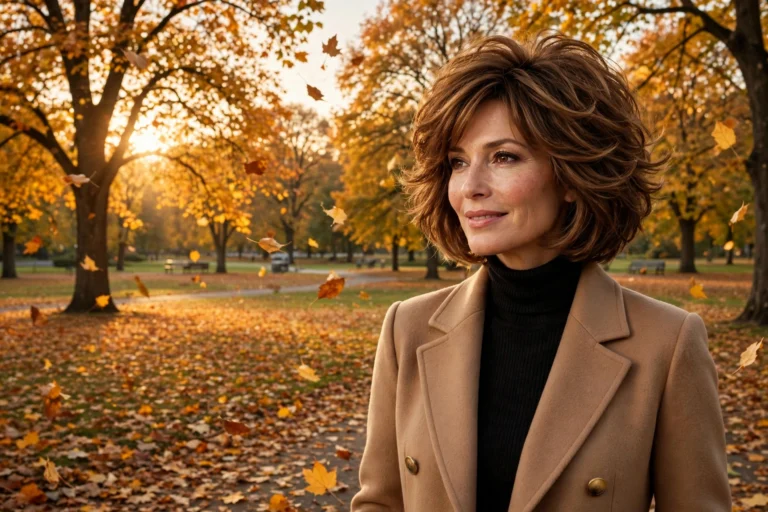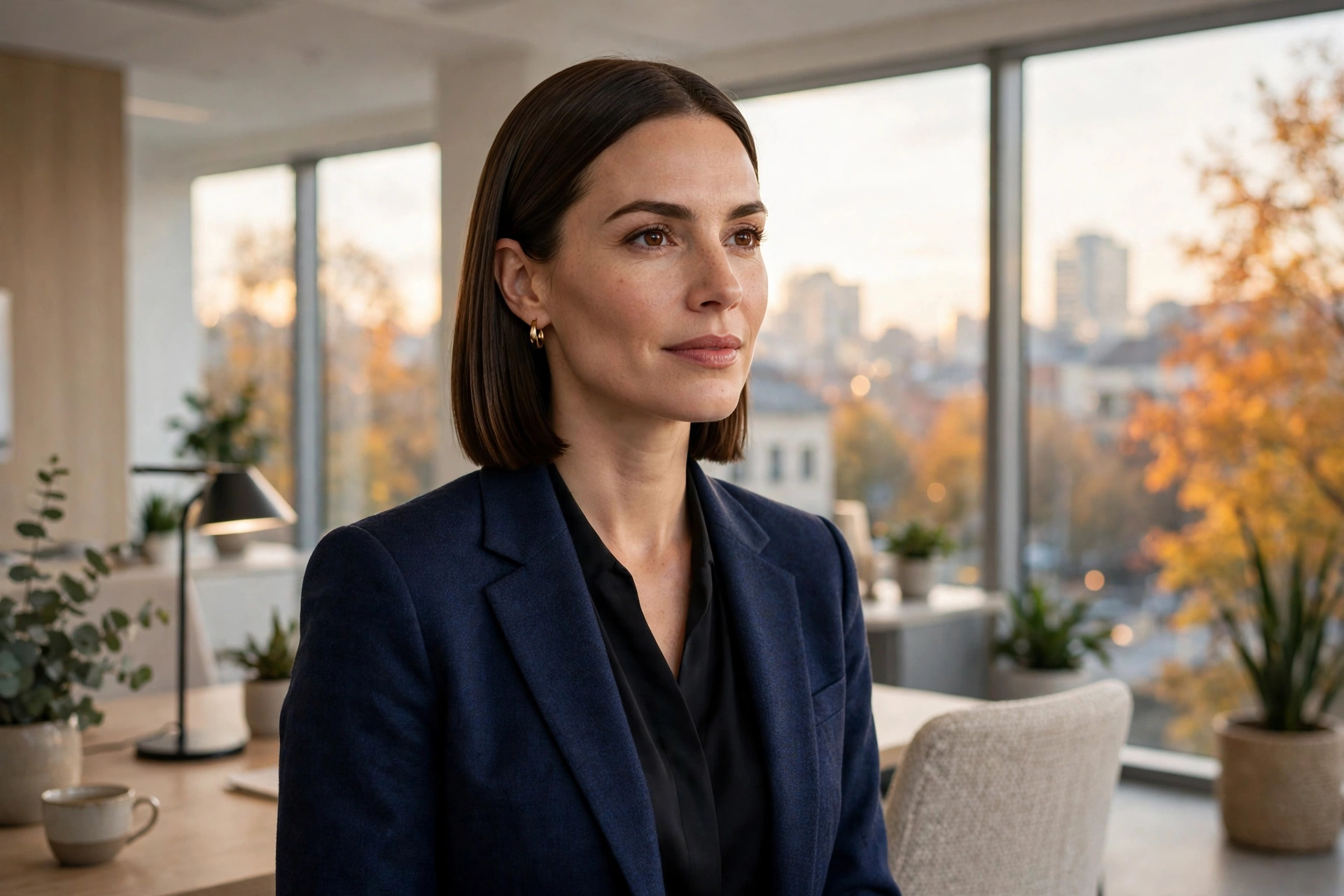
12 Professional Fall Hairstyles for Women (Office-Ready)
If your work hair needs to look polished at 9 AM, survive back-to-back meetings, and still look respectable when you walk out at 6 — congratulations, you’re in the right place. Professional fall hairstyles for women aren’t about runway drama; they’re about repeatable, boardroom-ready looks that behave all day. The best professional fall hairstyles for women in 2026 are the sleek straight lob, the polished low bun, and the neat low ponytail — here’s why: all three read instantly credible on a video call, take under ten minutes on a busy morning, and hold their shape in autumn’s dry air from your commute to your last email.
Fall is secretly the best season for office hairstyles for women. Summer humidity is gone, so blowouts don’t collapse by noon, flyaways stay down, and updos hold without constant re-pinning. If there’s a season to lock in a reliable work rotation, it’s this one.
The rules of professional hair have shifted in a genuinely good way. The rigid, severe styles of the past — the scraped-back everything, the “don’t you dare move a strand” helmet — have relaxed into looks that are polished but human. Sleek without being stiff. Neat without being boring. In 2026, work-appropriate hairstyles look authoritative while still looking like you, which matters when you’re building trust with clients, leading meetings, or walking into an interview.
What actually reads “professional” comes down to three signals: control (no frizz halo, no stray chaos), intention (the style looks chosen, not accidental), and consistency (a rotation you can execute well, not a rotating cast of experiments). None of that requires an hour in the bathroom. Our editors tested every style on this list for real-world repeatability — the standard was simple: could a busy person do it half-awake on a Monday and still look sharp at 4 PM?
Below you’ll find 12 polished fall hairstyles built for real working life — each with exactly how to get it, who it flatters, honest maintenance expectations, and a pro tip our editors stand behind. Every one is designed to look as good on Zoom as it does in the boardroom.
Table of Contents
- Sleek Straight Lob
- Polished Low Bun
- Neat Side-Part Bob
- Low Ponytail with Volume
- Classic French Twist
- Smooth Chignon
- Half-Up Office Twist
- Tucked-Behind-Ears Lob
- Sleek High Ponytail
- Soft Professional Waves
- Braided Low Bun
- Textured Pixie
Editor’s Top 5 Office-Ready Fall Picks
Short on time? These are the five looks our editors keep coming back to this fall — the ones with the highest polish-to-effort ratio on the entire list.
Sleek Straight Lob
The power cut of 2026. A collarbone-length bob worn smooth and straight — sharp, modern, and commanding in any meeting room. It frames the face cleanly on camera, needs no midday adjustments, and pairs with everything from blazers to turtlenecks.
Polished Low Bun
The professional’s secret weapon. A neat bun at the nape that says “I have everything under control” and takes four minutes. Our editors tested it through full workdays and found it genuinely holds from morning standup to evening commute — the closest thing to a set-and-forget office style.
Neat Side-Part Bob
A chin-length bob with a clean side part — timeless, tidy, and flattering on virtually everyone. The definition of office polish, and our most-recommended pick for women who want a cut that never needs second-guessing.
Low Ponytail with Volume
Not the gym ponytail — a smooth, slightly lifted pony with a wrapped base that looks deliberate and refined. It keeps long hair fully controlled on the busiest days while still reading feminine and polished.
Classic French Twist
For big-presentation days. Sculpted, elegant, and unshakeable — the hairstyle equivalent of a tailored blazer. When the stakes are highest (interviews, pitches, client dinners), this is the one we reach for.
What Makes a Fall Hairstyle Professional in 2026?
Professionalism in hair is a language, and like any language it has dialects. In a corporate law firm or bank, “professional” still means classic restraint: clean parts, controlled silhouettes, nothing that moves when you don’t want it to. In a creative agency, design studio, or tech company, “professional” means intentional and groomed — texture is welcome, chaos is not. Same vocabulary, different accent. The first skill of work-appropriate hairstyles is reading your room: when in doubt, lean classic, because classic is never the wrong answer in any office.
What actually reads as “professional” versus “casual” in 2026 comes down to finish more than shape. A bun can look corporate or beachy depending entirely on execution — smooth the edges and wrap the base, it’s boardroom; leave it loose with strands everywhere, it’s weekend. The same applies to ponytails, waves, and even braids. The difference is almost always thirty seconds of extra intention: a wrapped elastic, a smoothed part, a pin in the right place.
Fall gives professional hair a genuine advantage: longevity. Styles that would wilt in summer humidity hold beautifully in cool, dry air, which means your morning effort pays off until evening. That’s why autumn is the season to invest in the cut itself — a great bob, lob, or pixie does half the styling work for you every single morning. Back it up with dermatologists’ tips for healthy hair to keep your ends strong all season.
One more 2026 reality: video calls changed the brief. Your hair now needs to look good from the shoulders up, on a small screen, often in imperfect lighting. Clean necklines, defined parts, and styles that don’t require touching up every twenty minutes all perform better on camera than loose, fussy styles. Keep a small desk kit — a travel brush, a few bobby pins, and a mini smoothing product — and you’ll handle any afternoon slump in thirty seconds.
How to Choose the Right Fall Hairstyle for the Office
Start with your mornings, honestly. If you have ten minutes, build your rotation around wash-and-go cuts (bobs, lobs, pixies) and two-minute updos (low buns, ponytails). Styles requiring daily heat styling are a trap unless you genuinely enjoy the ritual — they get abandoned by week two. The best office hairstyles for women are the ones you’ll actually do, not the ones that look best in a tutorial.
Next, know your workplace’s unspoken code. Conservative industries (finance, law, medicine) reward neatness and classic silhouettes — low buns, chignons, French twists, tidy bobs. Creative and tech workplaces welcome personality: texture, a sleek high pony, a modern pixie. Neither code is better, but matching your environment removes friction you don’t need.
Consider your hair’s natural behavior, because professional hair works with it. Fine hair looks most credible with blunt ends and smooth finishes that suggest density. Thick hair needs taming — layers, smoothing products, and contained styles that keep volume deliberate rather than accidental. Curly hair is a genuine professional asset when defined and shaped: a great curly cut with polished definition reads confident and modern in every industry, and it requires zero heat on most days.
Finally, think about interviews versus everyday. Everyday office hair can have personality; interview hair should have none of the distracting kind. For interviews, choose your most conservative, most reliable style — the one you could do in the dark and that photographs neutrally. You want them remembering your answers, not your hair.
12 Professional Fall Hairstyles for Women (Office-Ready)
1. Sleek Straight Lob
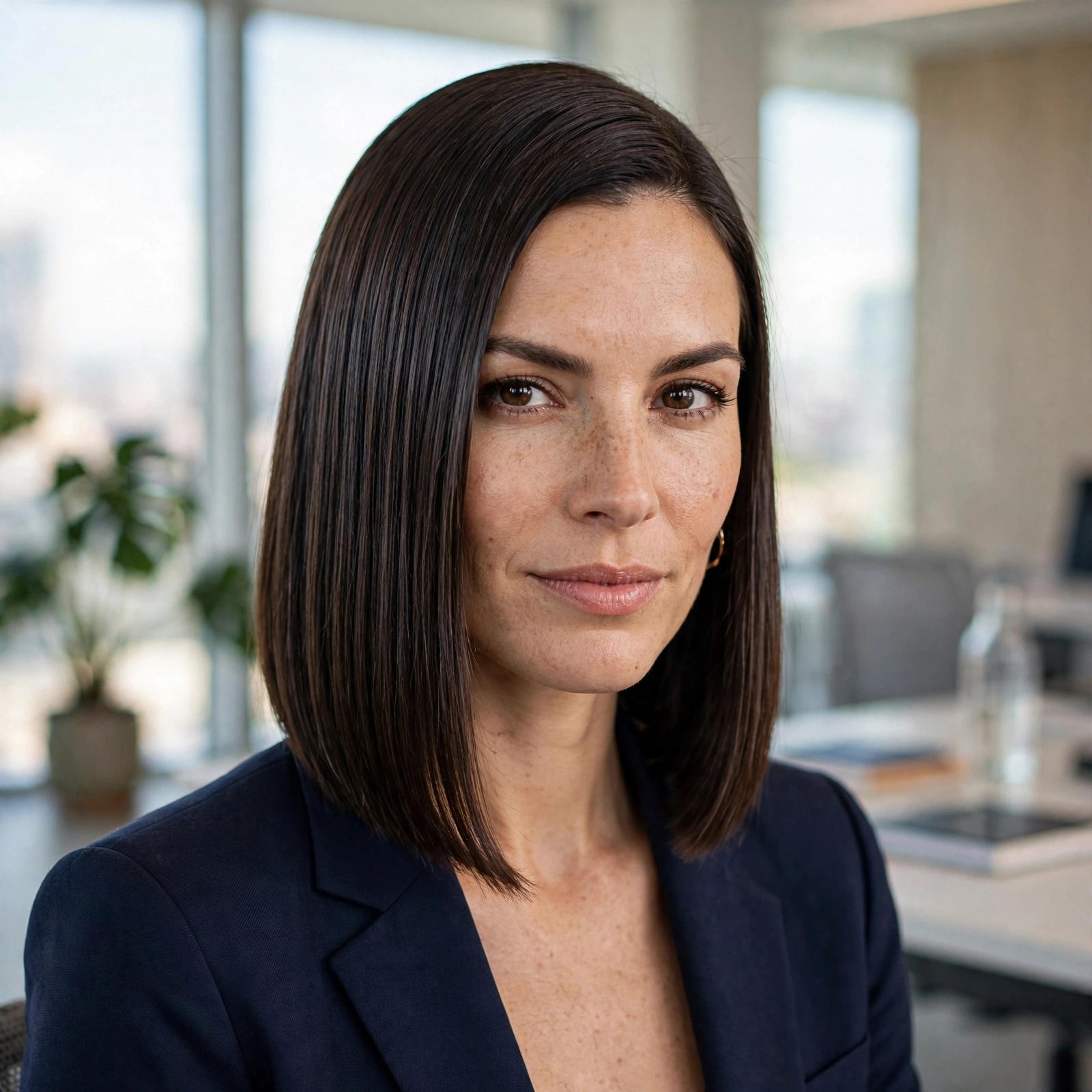
A collarbone-grazing bob flat-ironed smooth with a center or slight side part, tucked neatly behind one ear or worn free — the defining polished fall hairstyle of 2026. The clean lines project confidence and competence; it’s the haircut equivalent of a sharp blazer. It’s trending this fall because it nails the season’s “expensive minimalism” mood while being one of the lowest-effort ways to look powerful: no updo skills required, and the entire style hinges on healthy, frizz-free ends, which autumn air makes easy. Wear it to presentations, client meetings, interviews, and any day you want authority without a fuss.
How to get it: Ask your stylist for a blunt or subtly layered lob hitting the collarbone, with clean ends — bring photos, because “lob” lengths vary. At home, apply heat protectant to damp hair, blow-dry smooth with a paddle brush, then run a flat iron through in sections for that glassy finish, tucking ends slightly under. Finish with a drop of shine serum, ends only.
Best for: Oval, round, heart, and oblong faces (adjust the part to flatter yours); straight to wavy textures; fine to thick hair — fine hair benefits from the blunt ends’ illusion of density. Works in every workplace dress code, from banking to creative.
Maintenance: Low to medium. Five to ten minutes of heat styling on wash days; refreshes well on day two with a quick iron pass. Salon trims every 8–10 weeks to keep the ends sharp — bluntness is the whole point.
Pro tip: Flat-iron in smaller sections than you think you need — half-inch passes instead of two-inch chunks. It takes one extra minute but doubles the smoothness and the style holds hours longer. For flyaway control that lasts, a pea-sized amount of a classic smoothing serum like John Frieda Frizz Ease through the mid-lengths beats hairspray every time.
2. Polished Low Bun
Brush hair smoothly back into a low ponytail at the nape, twist into a compact bun, pin securely, and smooth any flyaways with a light gel — the professional’s secret weapon and arguably the most reliable office hairstyle for women in existence. It’s neat, timeless, and keeps hair completely out of the way through long workdays. The wrapped-base detail — a strand of hair wound around the elastic and pinned underneath — is what elevates it from basic to refined. Our editors tested this through full workdays and found it genuinely holds from morning to evening with zero touch-ups. Wear it for performance reviews, long meeting days, and any morning when you need to look in control in under five minutes.
How to get it: No salon visit needed — this is pure styling. Brush everything smooth back to the nape (a boar-bristle brush gives the cleanest finish), secure into a low ponytail, twist the tail, coil it flat against the head, and pin with bobby pins in an X pattern. Wrap a strand around the base to hide the elastic, smooth the hairline with light gel or edge control, and mist lightly with flexible-hold hairspray.
Best for: Medium to long hair (shoulder length and beyond); all face shapes — a clean center or side part flatters most; straight, wavy, and curly textures (curls make a beautifully full bun). Universally accepted in every dress code, including the most conservative.
Maintenance: Low. About four minutes each morning, no heat required. Works best on day-two hair with a little natural grip. No salon maintenance tied to the style itself.
Pro tip: Anchor the bun with two bobby pins pushed in from opposite directions through the center of the coil — it’s dramatically more secure than pins around the edges. And never build a bun on freshly washed, slippery hair; a light mist of texturizing spray first is the difference between “holds all day” and “slides apart by lunch.”
3. Neat Side-Part Bob
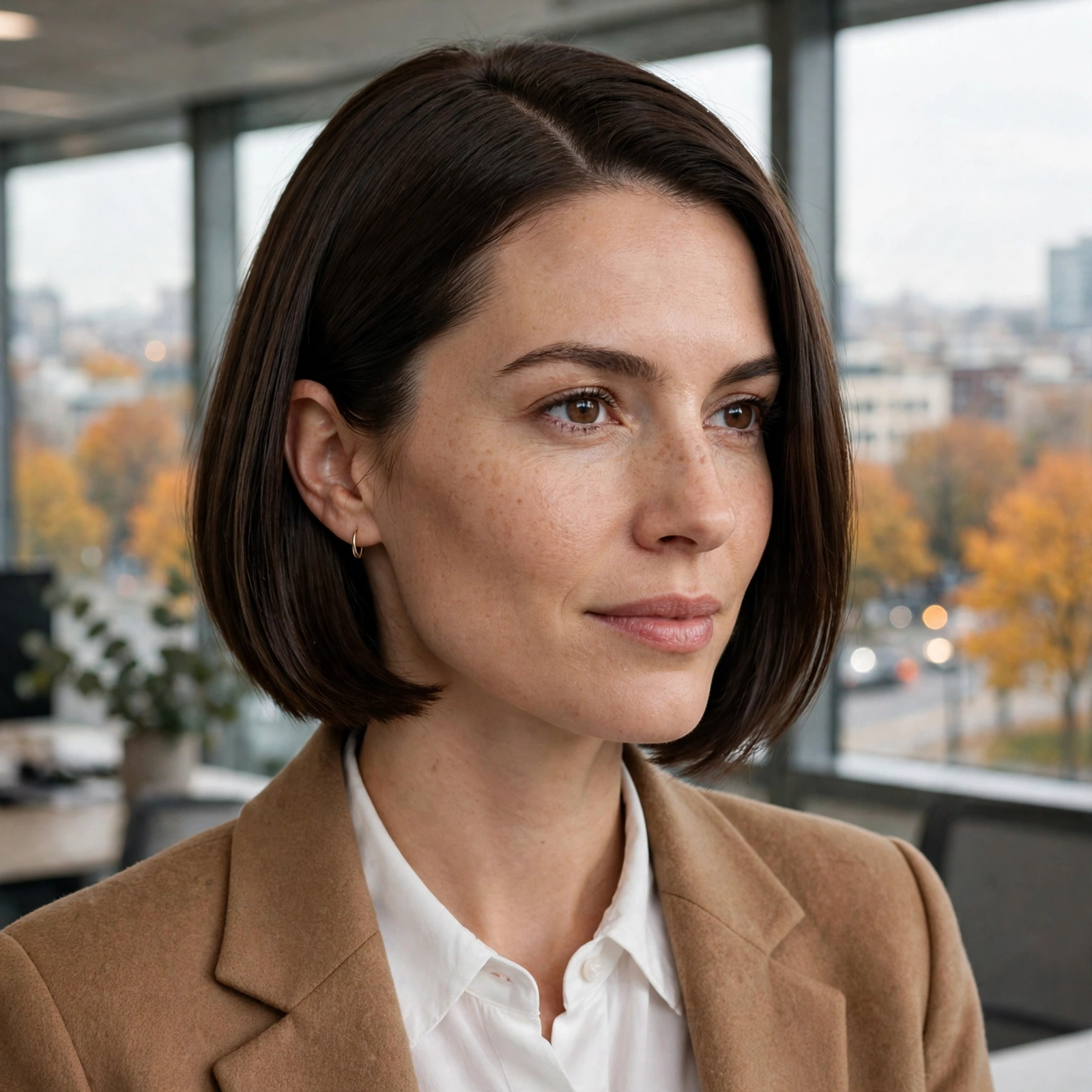
A chin-length bob with a precise side part, blow-dried smooth with ends tucked slightly under — timeless, tidy, and flattering on virtually everyone. This is the most universally office-appropriate cut in existence: it reads professional in every industry, on every hair type, at every seniority level. The side part adds structure and a flattering diagonal line across the face, which is also why it photographs so well on video calls. It’s a quiet star among autumn hair trends 2026 because the “old money” polished-bob revival is peaking this fall — think timeless rather than trendy. Wear it literally anywhere: interviews, board meetings, first days, client lunches.
How to get it: Ask your stylist for a chin-length bob with a clean perimeter and subtle under-layering so the ends tuck naturally. At home, create a deep-ish side part on damp hair, blow-dry with a medium round brush rolling the ends under, and finish with a cool shot to set the tuck. A light smoothing cream keeps the part crisp all day.
Best for: Round, oval, square, and heart faces (the diagonal part is universally flattering); straight to wavy textures; fine to medium hair especially — the compact shape suggests fullness. Ideal for conservative and client-facing workplaces.
Maintenance: Low daily, medium salon frequency. Five minutes of blow-drying each morning — or air-dry with the part set if your texture cooperates. Trims every 6–8 weeks; a bob loses its precision fast as it grows.
Pro tip: Set your side part while hair is damp and don’t switch sides mid-week — hair trains to a part within days, and a “trained” part stays put without product. If the part wants to drift by afternoon, a single bobby pin hidden under the top layer on the heavy side locks it invisibly.
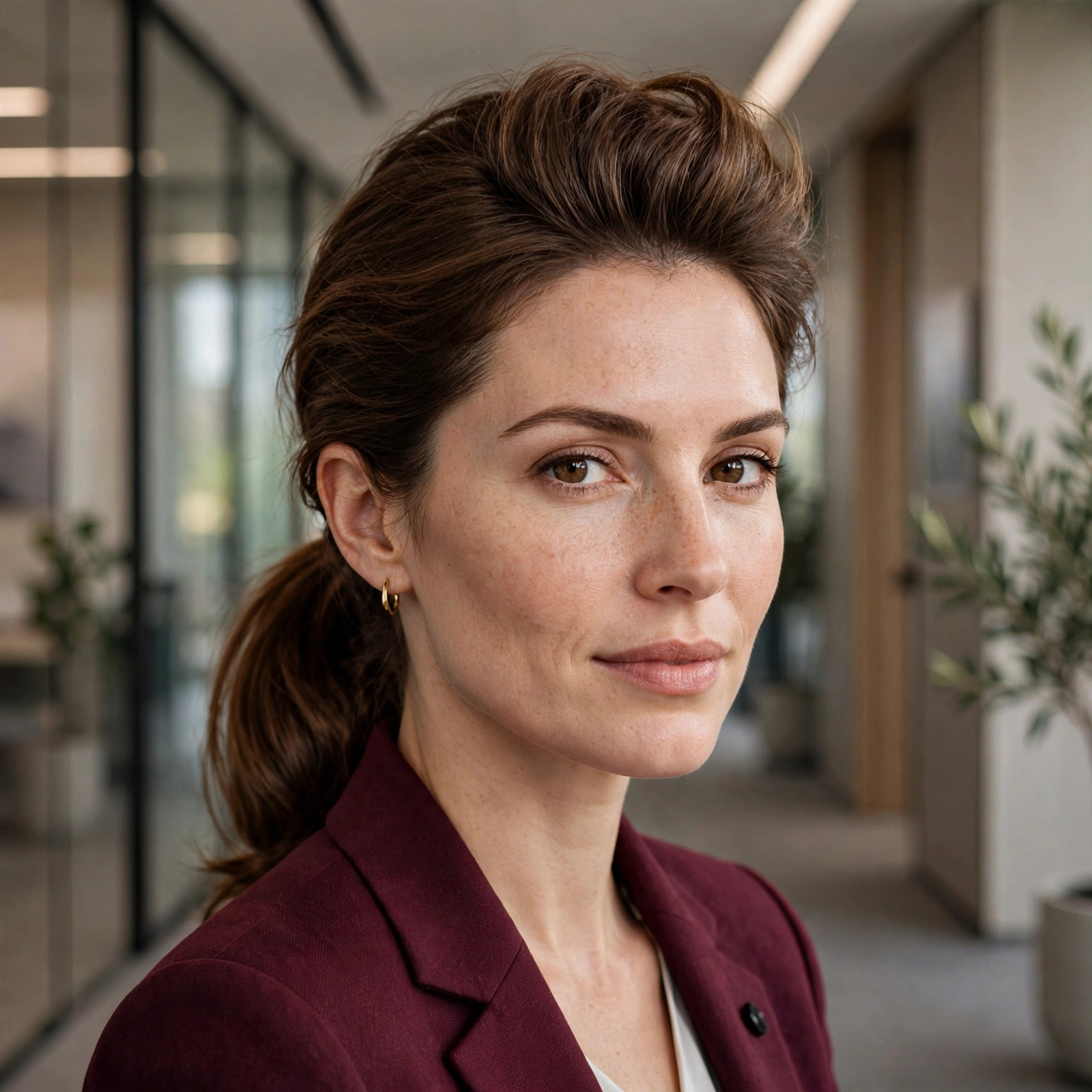
4. Low Ponytail with Volume
Not the gym ponytail — a smooth, slightly lifted pony with a wrapped base that looks deliberate and refined. The technique: tease the crown lightly, smooth the top layer over it, and secure into a low ponytail at the nape, wrapping the base with a strand of hair. The crown volume keeps it from reading flat or severe, while the low placement keeps it office-appropriate rather than sporty. It’s having a moment in autumn hair trends 2026 because quiet-luxury minimalism favors exactly this kind of “simple but clearly considered” styling. Ideal for medium to long hair on days when an updo feels like too much, and strong for client-facing roles where you want polish without formality.
How to get it: Apply a volumizing mousse at the crown on damp hair and blow-dry for lift. Backcomb the crown lightly (three or four strokes — restraint matters), smooth the top layer over with a soft brush, gather into a low ponytail at the nape, and secure. Wrap a strand of hair around the elastic and pin underneath. Flat-iron the tail smooth for extra polish.
Best for: Medium to long lengths; oval, oblong, and heart faces (the crown lift balances longer faces); straight to wavy textures. Works in business-casual through business-formal environments — skip it only where ultra-formal updos are the norm.
Maintenance: Low. Five to seven minutes, minimal heat. Holds well through the day; refresh the crown with a quick backcomb if it flattens by afternoon.
Pro tip: Place the ponytail slightly off-center at the nape — about an inch to one side — and it instantly looks more modern and less severe. And here’s the longevity trick: tilt your chin down while securing the elastic, then lift — it creates natural tension that keeps the crown from sagging.
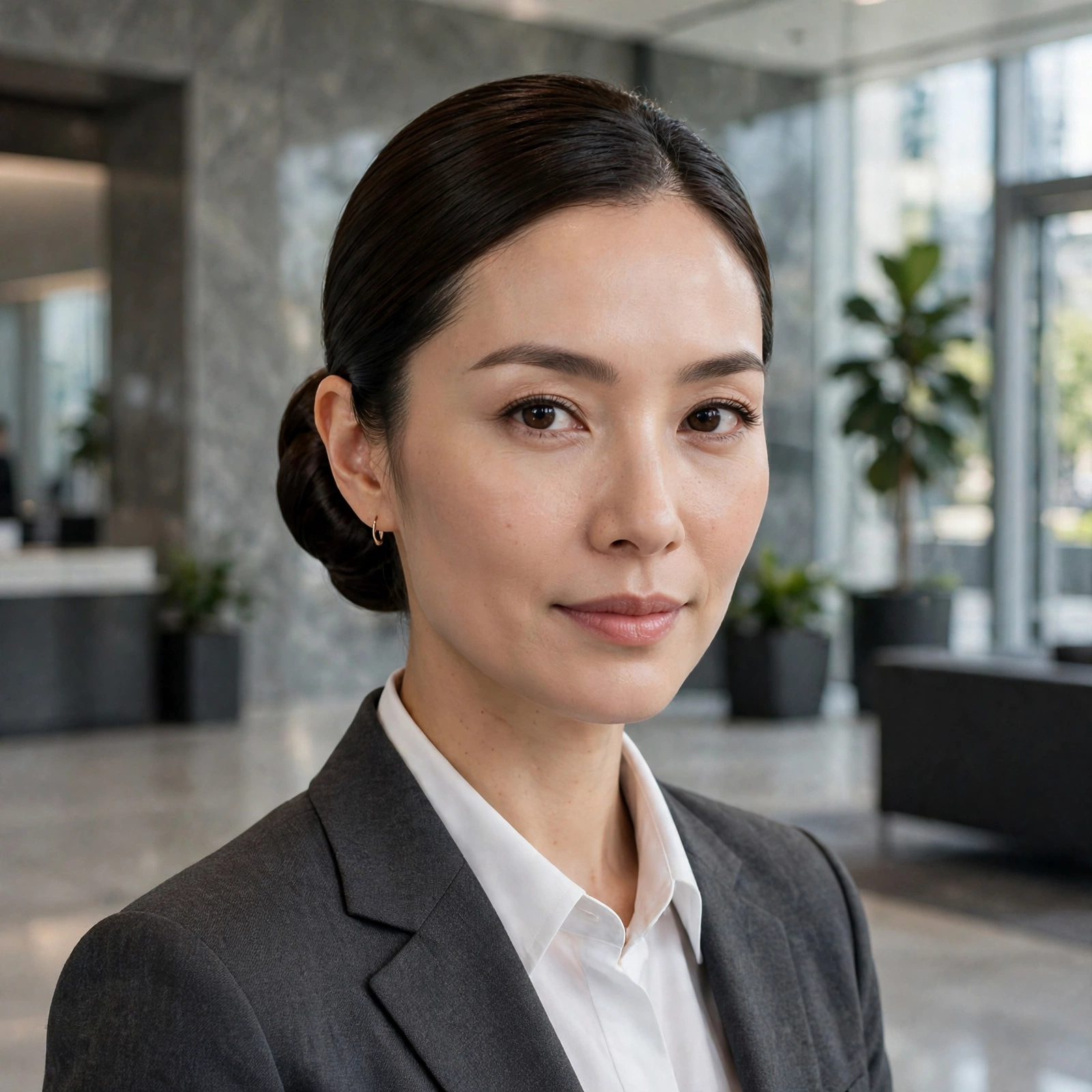
5. Classic French Twist
Smooth all hair to one side, twist it upward along the back of the head, tuck the ends in, and pin vertically for a sculpted silhouette — the most formal option on this list and the hairstyle equivalent of a tailored blazer. It’s perfect for presentations, interviews, pitches, and client dinners: the occasions where you want your hair to say “take me seriously” before you say a word. The French twist is resurging in polished fall hairstyles for 2026 as part of the return to intentional, architectural styling. It photographs beautifully and doesn’t move, which makes it a video-call and stage-day powerhouse too.
How to get it: This one rewards practice, not a salon visit. Gather all hair to one side at the nape, hold it flat against the head, and twist upward, rolling the twist against the skull as you go. Tuck the ends down into the top of the twist, then pin vertically along the seam with long bobby pins or a French twist comb. Smooth the surface with a brush first — sleekness is the whole aesthetic. Finish with a strong-hold but brushable hairspray so it stays immaculate without a helmet effect.
Best for: Medium to long hair with enough length to twist (shoulder length minimum); oval and oblong faces especially; straight to wavy textures. Best reserved for formal, conservative, or high-stakes workplace moments.
Maintenance: Medium. Ten to fifteen minutes once you’ve practiced it three or four times — the first attempts take longer, then it clicks. Holds all day without touch-ups once pinned properly.
Pro tip: The twist must be built on the opposite side from where you gather — gather right, twist left — or the roll sits lopsided. And insert pins with the wavy side facing your scalp; they grip dramatically better than wavy-side-out, which is why so many first attempts slide apart.
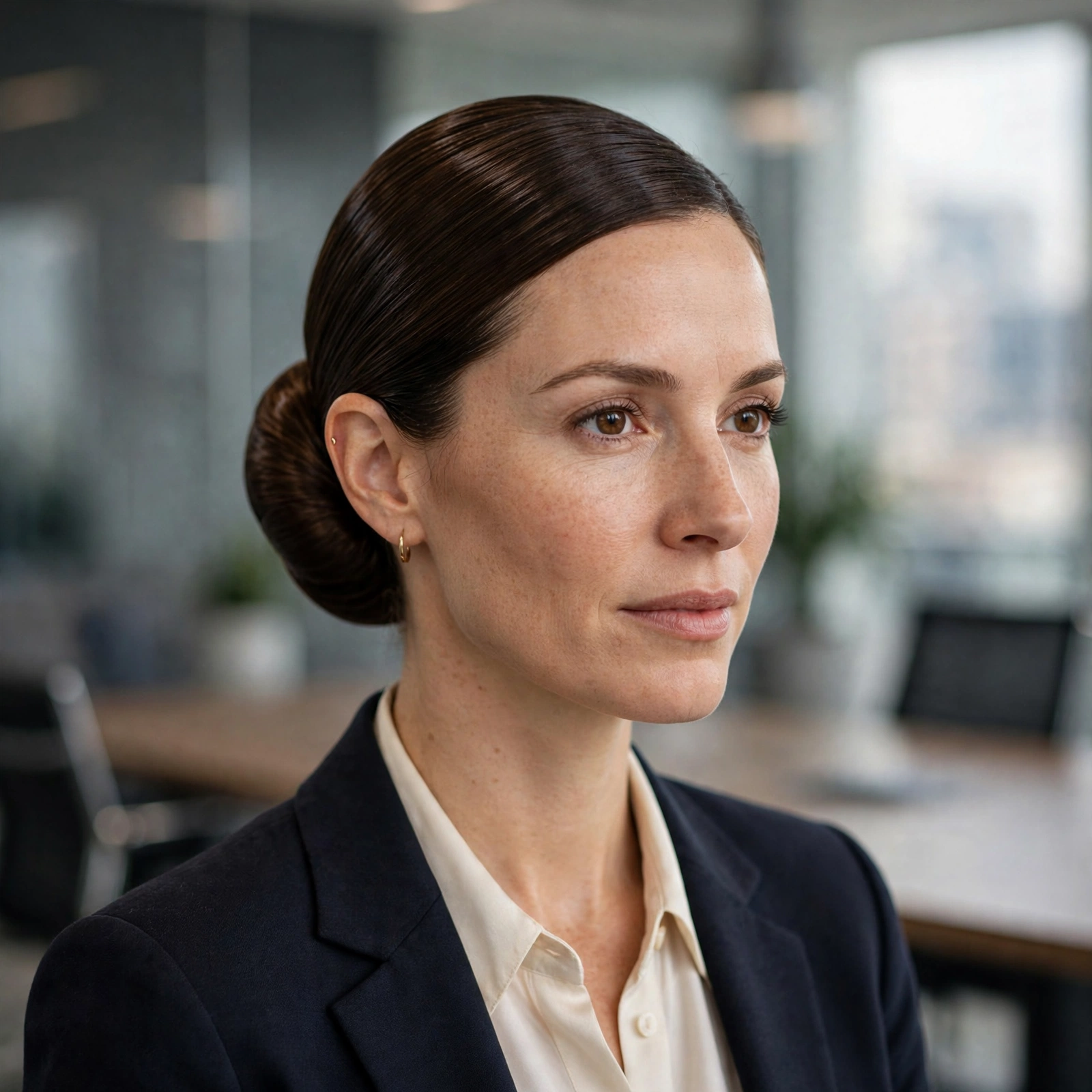
6. Smooth Chignon
Similar to the low bun but more deliberately sculpted: hair smoothed with serum, coiled neatly at the nape, and pinned into a clean, rounded shape. The chignon reads slightly more formal than a casual bun — think the difference between a blazer and a cardigan — making it ideal for corporate environments and client-facing roles. It works beautifully on straight or straightened hair of medium length and beyond, and the sculpted roundness flatters the profile in a way flat buns don’t. Wear it for board presentations, formal office events, and days when the calendar is full of people who matter.
How to get it: Smooth a lightweight serum through damp hair and blow-dry straight for a clean canvas. Gather into a low ponytail at the nape, then coil the tail into a tight, flat spiral against the head — the flatness is what separates a chignon from a bun — pinning as you go. Tuck the ends under the coil and secure with pins in an X pattern. Finish with a light-hold spray for a soft sheen, not stiffness.
Best for: Medium to long hair; oval, round, and heart faces (the rounded shape softens angular features); straight or straightened textures show the sculpted shape best. Perfect for conservative and corporate dress codes.
Maintenance: Low to medium. About eight minutes — slightly more deliberate than a basic bun, but it holds longer and looks more formal. No salon maintenance tied to the style.
Pro tip: Build the chignon over a small hair donut or padding at the nape if your hair is fine — it creates the full, rounded silhouette that makes this style read expensive. Wrap your own hair over the padding so no hardware shows, and pin underneath.
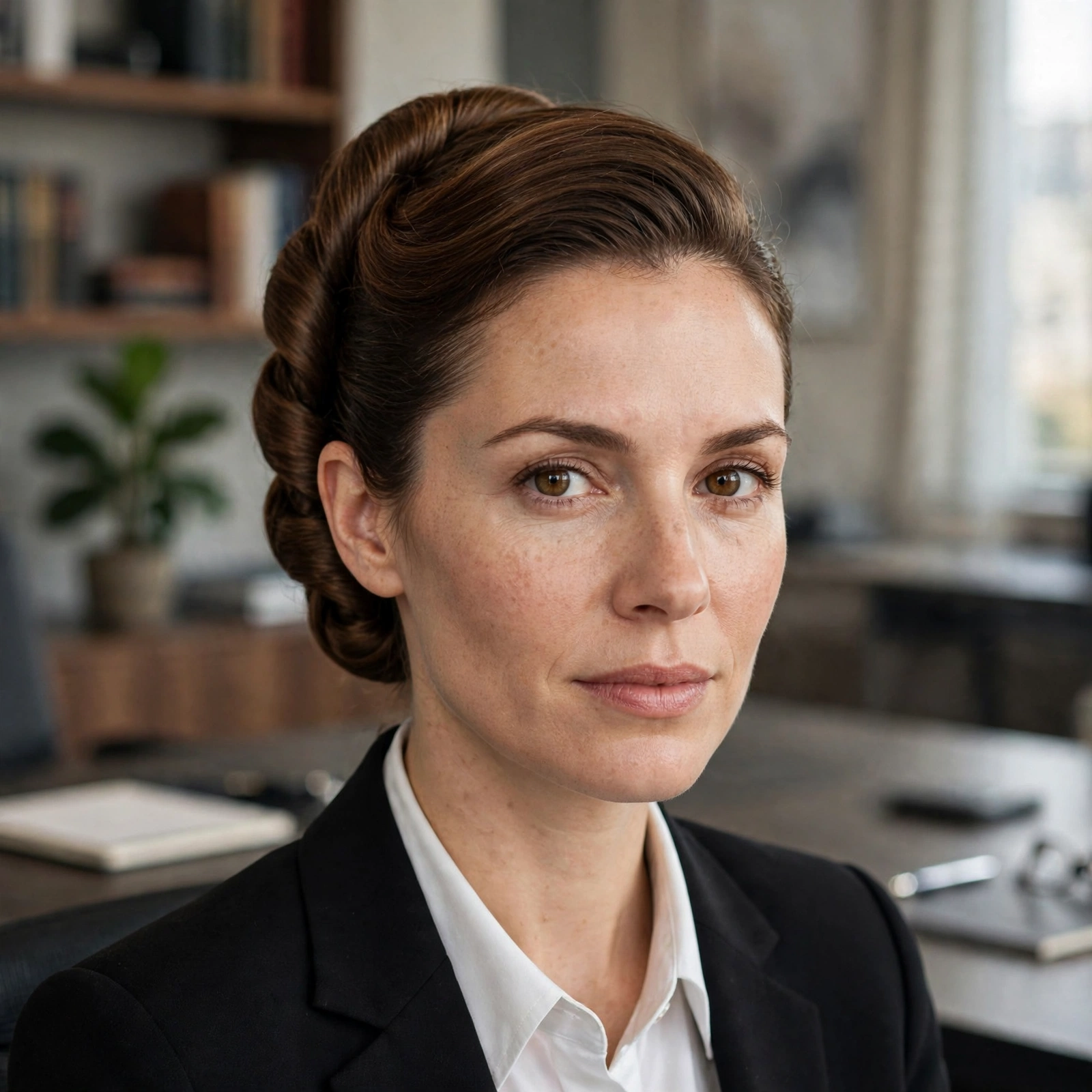
7. Half-Up Office Twist
Take the top section of hair, twist it once, and pin it at the back of the crown, leaving the rest down and smooth — professional but approachable, the friendliest style on this list. It keeps hair out of your face during desk work while still showing off your length, which makes it a natural for business-casual offices, teaching, healthcare, and creative workplaces. The key to keeping it office-appropriate rather than weekend-casual: keep the twist neat and smooth, not messy, and make sure the hair left down is polished — frizz-free and controlled. It’s trending in autumn hair trends 2026 because the “soft professional” aesthetic (approachable authority) is exactly what modern workplaces reward. Wear it for regular office days, team workshops, and parent-teacher conferences alike.
How to get it: Part hair neatly, take a two-inch section from each temple, twist each section back toward the crown, cross them over each other, and pin where they meet with crisscrossed bobby pins. Smooth the remaining hair with a brush and a touch of serum so the “down” portion looks intentional. Keep the twists snug and clean — this is the office version, not the boho one.
Best for: Medium to long hair; round and oval faces benefit most from the crown lift; straight to wavy textures. Best in business-casual to creative dress codes — too relaxed for ultra-formal settings.
Maintenance: Low. Under five minutes, no heat required, and it works beautifully on day-two hair. No salon upkeep tied to the style.
Pro tip: Backcomb the crown lightly before pinning the twists — that hidden lift is what separates a flat, forgettable half-up from a polished one. And mist the twists (not the loose hair) with a touch of flexible hairspray before pinning; it keeps the neat finish from loosening by midday.

8. Tucked-Behind-Ears Lob
A straight lob worn with both sides tucked neatly behind the ears — instantly tidy, with the tuck adding structure that frames the face. It’s one of the simplest office hairstyles for women and one of the most effective: the tuck keeps hair from falling forward over your work, shows off earrings (keep them professional), and creates clean lines that read competent on camera. A light smoothing cream prevents the tucked sections from poufing out by afternoon. This is the ultimate low-effort power move for lob owners — zero updo skills, maximum polish — and it pairs perfectly with fall’s turtlenecks and structured blazers. Wear it for desk-heavy days, video-call marathons, and commutes where wind would destroy anything more elaborate.
How to get it: Style your lob smooth and straight as usual (heat protectant, paddle brush blow-dry, flat iron if needed). Create your preferred part, then tuck both front sections firmly behind the ears, smoothing them flat against the head. Press a pea-sized amount of smoothing cream over the tucked sections to keep them in place, and finish with a light mist of hairspray.
Best for: Chin-to-collarbone lengths (true lobs and bobs); oval, heart, and oblong faces; straight to wavy textures. Works in every dress code — it’s essentially a styling variation rather than a statement.
Maintenance: Low. Adds about thirty seconds to your normal lob routine. If sections slip out by afternoon, re-tuck and press — or secure discreetly with a small pin behind each ear.
Pro tip: Tuck after your hair has fully cooled from heat styling, not while it’s warm — warm hair “remembers” the tuck worse and springs back out. And if your hair is fine and slips easily, tuck over a single hidden bobby pin on each side; it anchors the section invisibly all day.
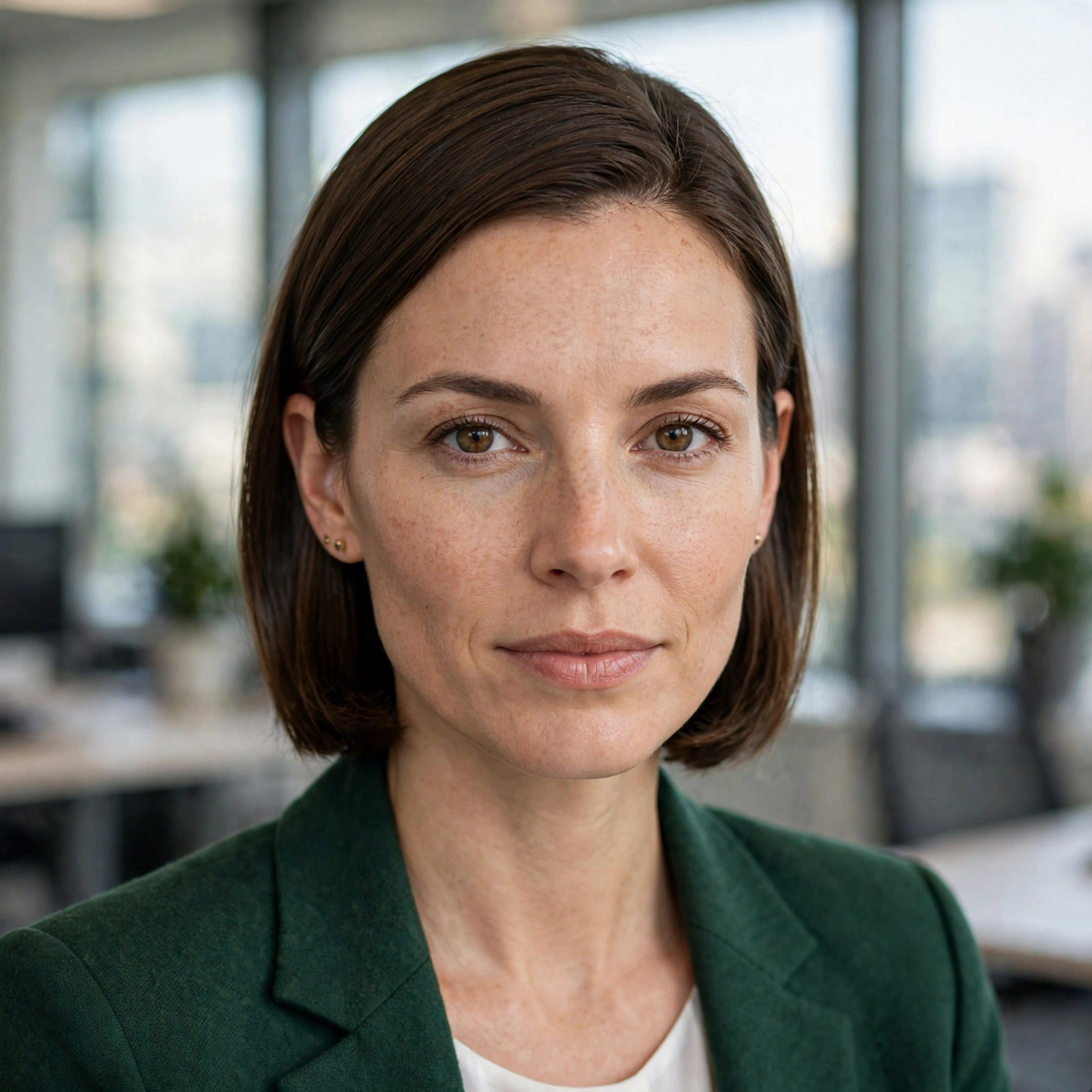
9. Sleek High Ponytail
Brush everything smoothly up to the crown and secure tightly, wrapping the base and smoothing the tail straight. Worn sleek — not bouncy — this reads powerful and modern rather than casual: it’s the ponytail’s executive edition. It’s a strong choice for creative and tech workplaces, fashion and media, and any environment where polish with personality is the brief. The sleek high pony is firmly in autumn hair trends 2026 as part of the sculpted, architectural styling wave — sharp lines, deliberate placement, zero mess. It keeps long hair completely controlled through the busiest days and looks striking with fall’s high collars and structured coats. Wear it for creative presentations, conference days, and any day you want to look unstoppable.
How to get it: Apply smoothing serum to damp hair and blow-dry straight. Flip your head over and brush everything up to the crown (the inversion gives natural lift and tightness), secure firmly with a strong elastic, then flip back and smooth the hairline with edge control or light gel. Wrap a strand around the base, pin underneath, and flat-iron the tail poker-straight.
Best for: Medium to long hair; oval, heart, and diamond faces (the height elongates and lifts); straight to wavy textures. Best in creative, tech, and fashion workplaces — too bold for ultra-conservative offices.
Maintenance: Low to medium. About seven minutes; the tightness means it holds all day, but take it down gently at night to avoid tension headaches and breakage — never sleep in a tight high pony.
Pro tip: Secure with two elastics stacked instead of one — the double anchor distributes tension, holds twice as long, and causes less breakage than a single over-tight band. And smooth the underside of the ponytail too; on camera and from behind, that’s the part people actually see.
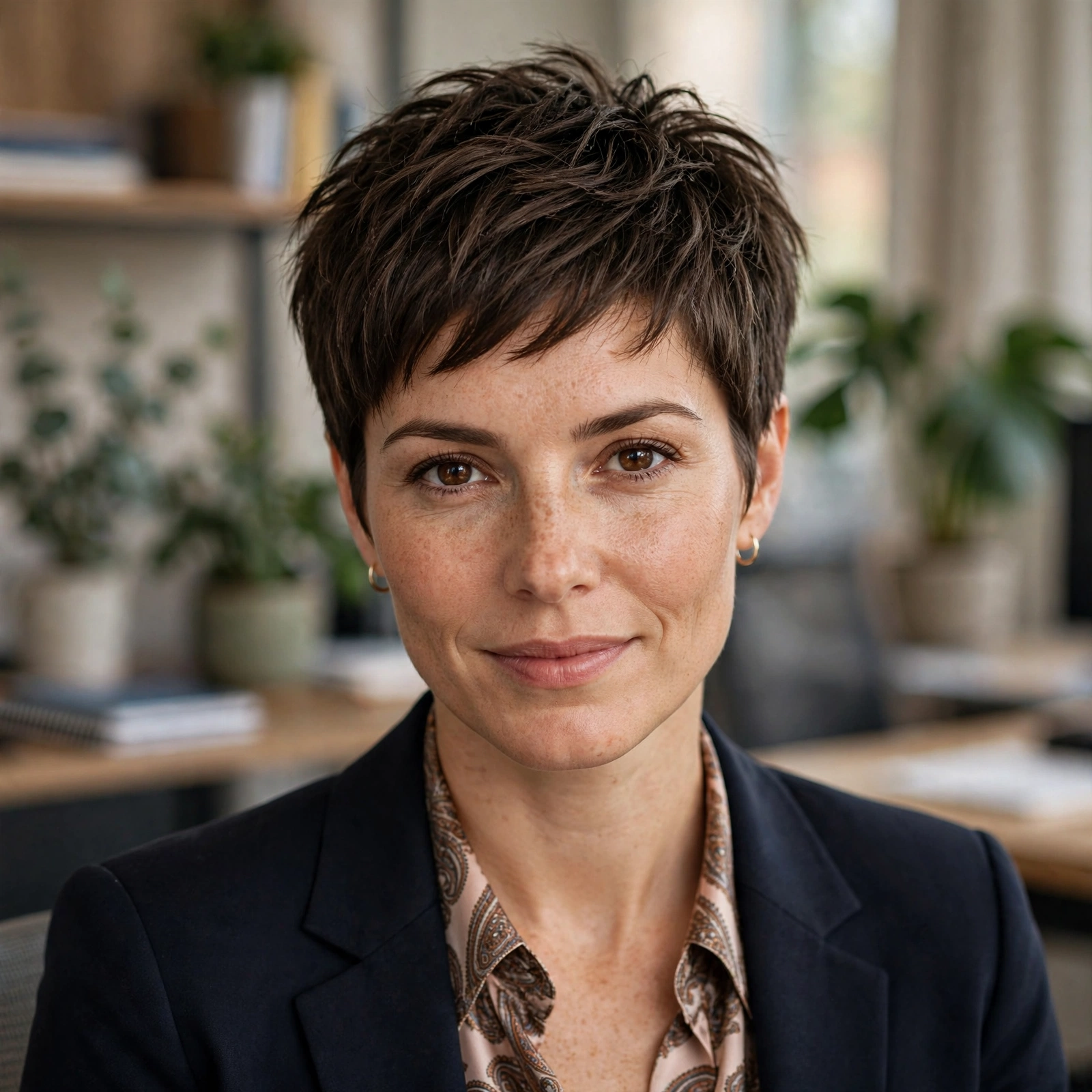
10. Soft Professional Waves
Loose, brushed-out waves with a neat side part — polished but not stiff, feminine but not fussy. The key to keeping waves office-appropriate is uniformity: all waves flowing the same direction, no messy pieces, a clean part, and a brushed-through finish that reads “done” rather than “undone.” A large-barrel iron and a thorough brush-through create this refined finish, which works in any professional setting — it’s the rare style that’s equally at home in a boardroom and at a client dinner. Soft waves are a perennial polished fall hairstyle because autumn’s dry air extends their wear beautifully; waves that would fall flat in July hold for days in October. Wear it for presentations, networking events, and weeks when you want one style that covers every occasion.
How to get it: Create a neat side part, then curl two-inch sections with a large-barrel iron (1.25 to 1.5 inch), all in the same direction, leaving the ends slightly straighter for a modern finish. Let every section cool completely, then brush through thoroughly with a soft-bristle brush to meld the curls into continuous, uniform waves. Finish with a light shine mist — never heavy hairspray, which kills the softness.
Best for: Medium to long hair; oval, round, and heart faces (the side part and uniform wave flatter most); straight to wavy textures with heat styling. Universally office-appropriate when kept neat and uniform.
Maintenance: Medium. Fifteen to twenty minutes for the full routine, but the style lasts two to three days — sleep on a silk pillowcase and revive with dry shampoo at the roots. Trims every 8–10 weeks keep the ends healthy enough to hold the wave.
Pro tip: Brush the waves before they fully cool and you’ll get frizz; brush them after, and you get silk. The waiting is the technique. And always curl the front sections away from your face — it’s the detail that keeps waves from closing in around your features and looking heavy.
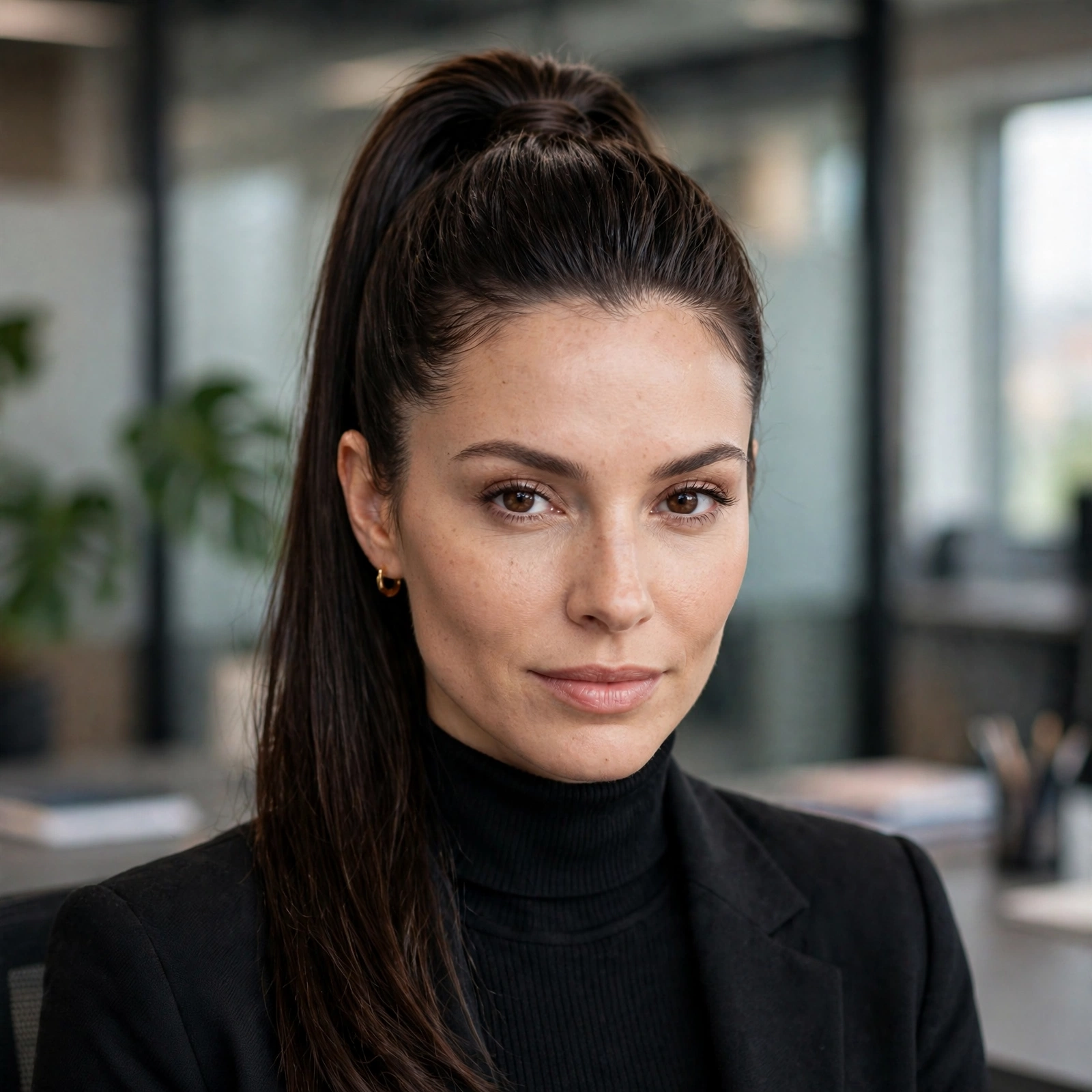
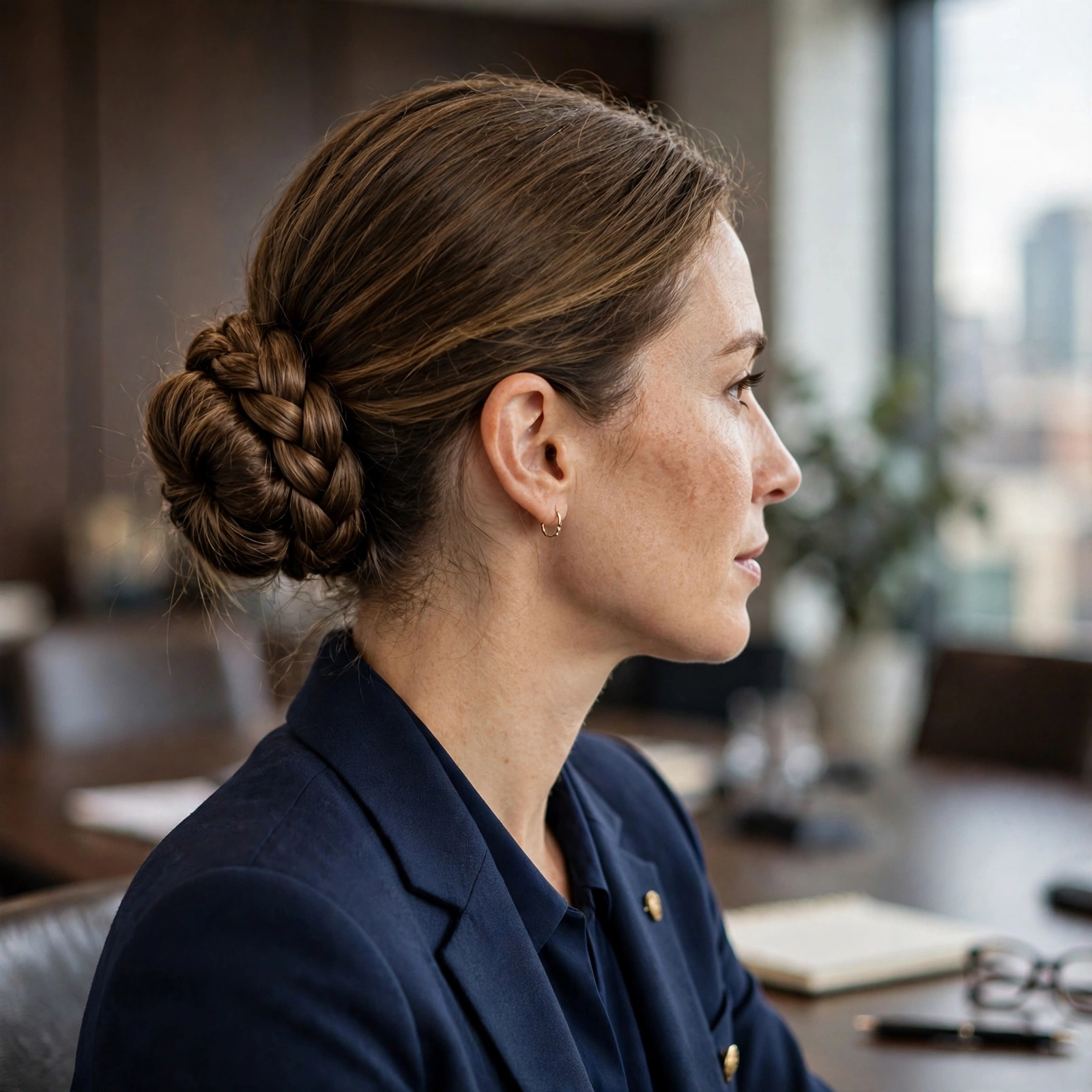
11. Braided Low Bun
Create a simple three-strand braid from a low ponytail, then coil it into a bun and pin — the braid adds subtle texture and visual interest to an otherwise plain bun, making it professional with a hint of personality. It’s also one of the most secure styles on this list: the braided structure grips itself, so it easily lasts a twelve-hour day, a commute, and an after-work event without re-pinning. Among work-appropriate hairstyles, this is the endurance athlete — the one our editors would pick for the longest, most unpredictable days. It reads polished in conservative offices and interesting in creative ones, which makes it the most versatile updo here. Wear it for travel days, conference marathons, and any day you can’t afford to think about your hair after 8 AM.
How to get it: Smooth hair back into a low ponytail at the nape and secure. Braid the ponytail in a simple three-strand braid (not too tight — medium tension coils better), secure the end with a small clear elastic, then coil the braid flat against the head into a bun shape and pin with bobby pins in an X pattern. Tuck the tail end under the coil. Finish with a light mist of flexible-hold hairspray.
Best for: Medium to long hair (needs enough length to braid and coil); all face shapes; straight to wavy textures show the braid detail best, though curly hair makes a gorgeous textured version. Accepted in every dress code.
Maintenance: Low to medium. About eight minutes once you know the technique — the braid adds a few minutes over a plain bun, but you gain hours of hold. No salon maintenance tied to the style.
Pro tip: Pancake the braid gently — tug just the outer edges of each section to widen it — before coiling. A slightly widened braid makes a fuller, more deliberate-looking bun and hides the pins better. And hide every pin: slide them in with the wavy side down and tuck the ends under the coil.
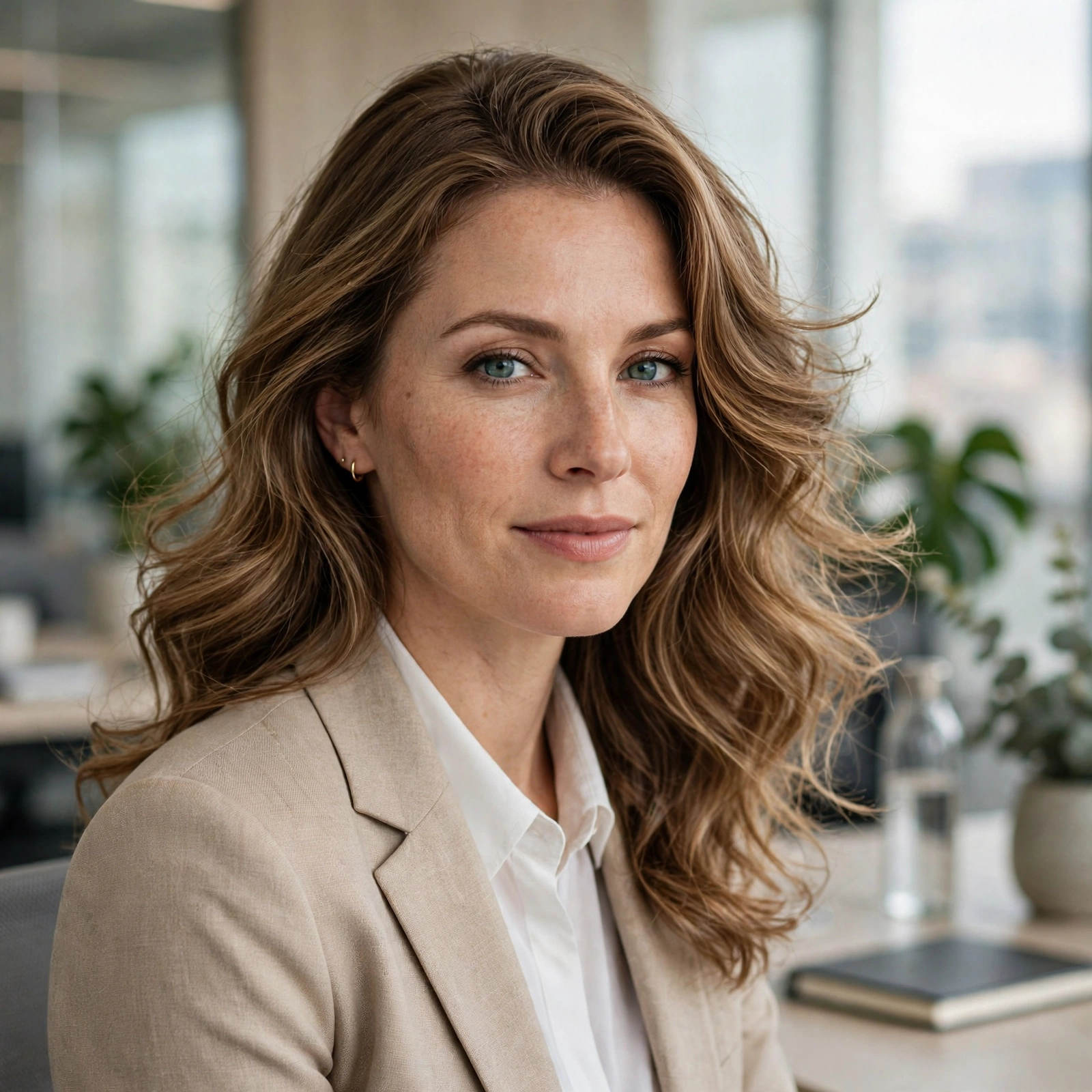
12. Textured Pixie
A pixie with piece-y texture on top, styled with a small amount of matte paste for definition — bold, modern, and the ultimate low-maintenance professional cut. It’s literally wash-and-go: two minutes with product and you’re out the door looking intentional. The texture keeps it current and stylish rather than severe, and it pairs perfectly with fall’s turtlenecks, structured coats, and statement earrings. The textured pixie earns its place among autumn hair trends 2026 as more women trade high-maintenance length for the freedom of a precision cut — and in the office, short hair telegraphs confidence like nothing else. Wear it everywhere: it’s professional in every industry, and it never has a bad hair day.
How to get it: Ask your stylist for a pixie with tapered (not shaved) sides and textured length on top — bring photos, because pixie variations are endless and “textured” means different things to different stylists. At home, work a pea-sized amount of matte paste or styling cream through the top with your fingertips, defining pieces and directing them forward or to the side. That’s genuinely the entire routine.
Best for: Oval, heart, and square faces especially (texture on top softens and balances); straight to wavy textures; anyone ready to commit to short hair. Works in every workplace dress code, conservative to creative.
Maintenance: Low daily, higher salon frequency. Two minutes each morning — but book trims every 4–6 weeks, because a pixie loses its shape fast as it grows and an overgrown pixie reads unkempt, not edgy.
Pro tip: Less product than you think — a pea-sized amount, warmed between your palms first. Overloading a pixie with paste is the number one reason they look greasy instead of piece-y by noon. And when it starts growing out, switch your styling direction to the opposite side; the new direction disguises the grow-out phase for weeks.
Professional Fall Hairstyles: FAQs
What’s the difference between corporate-appropriate and creative-office hair?
It’s about finish, not the style itself. Corporate-appropriate hair (finance, law, medicine, consulting) means controlled silhouettes: clean parts, smooth finishes, contained updos — low buns, chignons, French twists, tidy bobs. Creative offices (agencies, tech, media, design) welcome the same styles with more personality: texture, a sleek high pony, a modern pixie. The universal rule: intentional always wins. A neat textured pixie reads professional anywhere; a sloppy bun reads unprofessional everywhere.
What are the best hairstyles for a job interview?
Choose your most conservative, most reliable style — the one you could do in the dark. Our top interview picks from this list: the sleek straight lob (#1), the neat side-part bob (#3), the polished low bun (#2), and soft professional waves (#10) kept neat and uniform. The goal is hair nobody remembers: no distracting volume, no fussy details, nothing you’ll touch or adjust. Do a full trial run two or three days before — and whatever you choose, make sure it’s a style you’ve worn before. Interview day is never the time to debut something new.
What does a 5-minute professional morning routine actually look like?
Pick one foundation style and master it until it’s muscle memory. The fastest reliable routines: a polished low bun (brush back, twist, pin, smooth — four minutes), a tucked-behind-ears lob (style smooth, tuck, press — under a minute on top of your normal routine), or a textured pixie (paste, piece, go — two minutes). Prep the night before to buy morning time: sleep on a silk pillowcase, braid long hair loosely to prevent tangles, or set your part while hair is damp. Keep a desk kit — travel brush, bobby pins, mini smoothing product — for the thirty-second afternoon reset that keeps any style looking intentional until evening.
How should I style my hair for video calls?
Video calls flatten everything, so structure matters more than detail. Clean parts, defined necklines, and styles with clear silhouettes (bobs, lobs, low buns, sleek ponytails) read far better on a small screen than loose, fussy styles that turn to visual noise. Keep the front polished — that’s the only part anyone sees — and make sure your hair doesn’t cast shadows on your face; pull it back or tuck it if it does. Good lighting beats good styling: face a window or put a lamp behind your camera. And avoid touching your hair on camera — choose a style secure enough that you never need to, because fidgeting reads as nervousness.
How do I keep my hairstyle looking neat through a long workday?
Longevity is built at 7 AM, not fixed at 3 PM. Start with the right foundation: styles built on day-two hair (buns, twists, braids) hold better than anything built on slippery freshly-washed hair — use a little texture spray or dry shampoo if you washed that morning. Pin strategically (crisscrossed bobby pins in an X hold dramatically better than single pins), and finish with a flexible-hold spray rather than a stiff one so the style can move without collapsing. For the afternoon slump: smooth the hairline with a touch of serum, re-tuck what’s slipped, and refresh roots with dry shampoo. Fall’s dry air is on your side here — most of these styles genuinely hold from morning to evening with one thirty-second reset. And if daily flat-ironing is part of your routine, read up on how heat damage affects your hair to keep your ends protected.
The Bottom Line
The best professional fall hairstyles for women aren’t the most complicated ones — they’re the ones you can do half-awake on a Monday, that survive your actual workday, and that make you feel sharp catching your reflection before a big meeting. Pick one cut and two or three styling ideas from this list, give them a genuine two-week trial, and let this be the autumn your work hair finally feels effortless. For the care side of the equation, the AAD’s hair and scalp care guide covers the basics that keep any style looking its best.