12 Cute Fall Braided Hairstyles for Girls
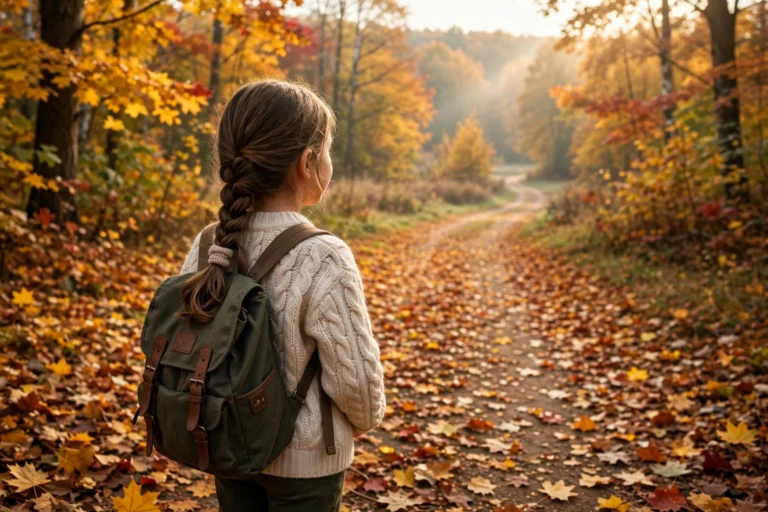
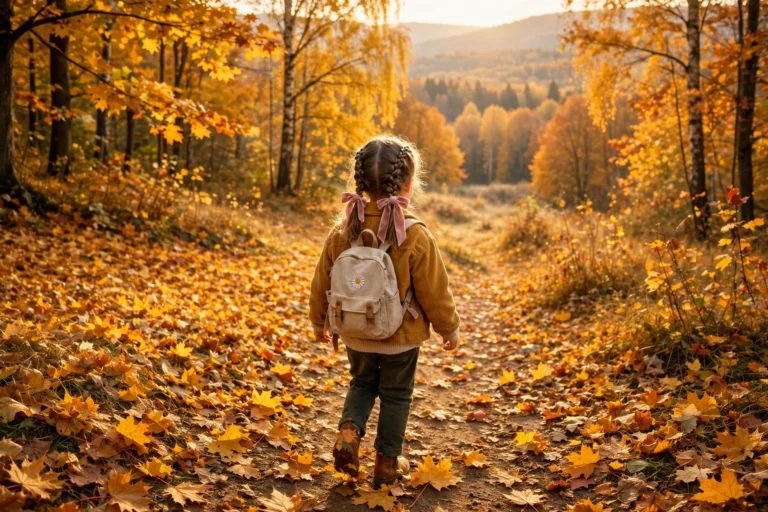
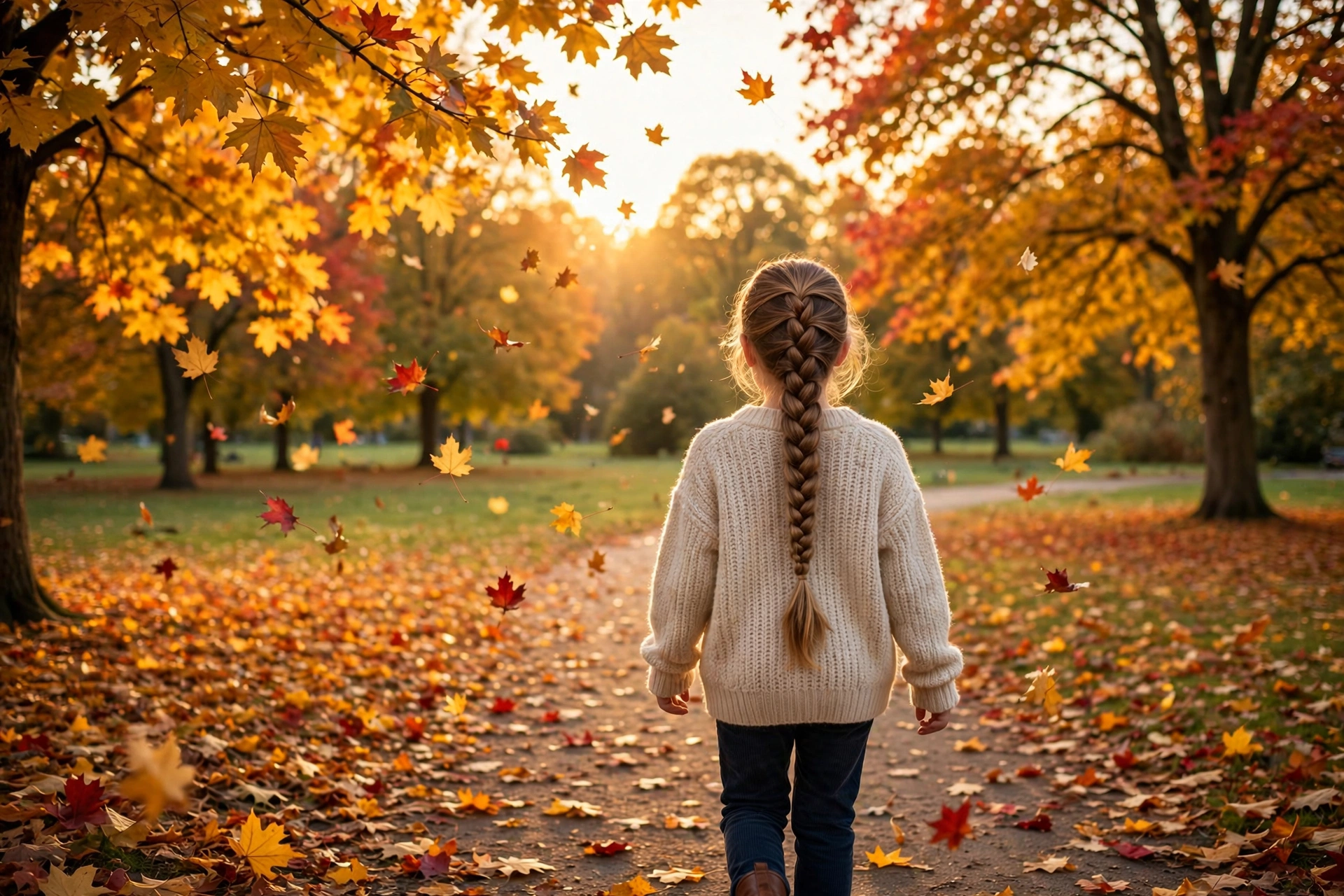
If you’re hunting for fall braided hairstyles for girls that survive school days, windy weekends, and holiday photos without unraveling by lunch, you’re in the right place. The best fall braided hairstyles for girls in 2026 are double Dutch braids, the classic French braid ponytail, and bubble braid pigtails — all quick enough for hectic mornings, sturdy enough to stay put all day, and cute enough for fall picture day. We road-tested every style below with real morning routines, real wiggly kids, and real playground sessions in mind, and this guide gives you the full parent playbook: exactly how to braid each one, which ages and hair types it suits, and how long it actually lasts.
Here’s why fall is secretly the best braid season: summer humidity is gone, so braids set neatly instead of frizzing out within an hour. Cool, drier air means styles hold from first bell to bedtime — and braids pair perfectly with everything autumn throws at a kid’s head, from beanies and hoods to Halloween costumes and holiday outfits. One solid braiding session (morning or night before) can carry your daughter through two or even three days.
But not all braids suit a five-to-fourteen wearer. Little ones need styles that go in fast and don’t pull, tweens want braids that look cool without trying too hard, and everyone needs a style that survives school, sports, and coat hoods. The sweet spot for cute braids for girls in fall 2026 is the “stay-put braid”: anchored at the scalp, tension-checked so it never hurts, and finished to loosen into something pretty rather than fall apart.
This season’s kid braid trends are playful and practical: chunkier, softer plaits instead of tight, severe ones; bubble and pull-through braids everywhere because they look intricate with zero real braiding skill; and accessories — plaid scrunchies, velvet bows, little gold cuffs — making simple braids event-ready for Thanksgiving and fall concerts. Our editors tested each look below for a simple metric: can a parent do this before school without a meltdown (from either party)?
What makes this guide different: every style comes with the complete picture, not just a pretty description. You’ll get how to get it in parent-friendly steps (written for moms and dads who braid at 7 a.m., not stylists), honest best for notes on ages, hair types, and lengths, realistic maintenance expectations (morning minutes plus how many days it lasts), and a pro tip from our testing. No fluff, no styles that look great on paper and fall apart by recess — just twelve easy braids for school season, decoded for fall.
Below, you’ll find the twelve best braided hairstyles for girls for fall 2026: cozy, practical, and genuinely cute. Jump straight to any style that catches her eye.
In this guide:
- 1. Classic French Braid Ponytail
- 2. Double Dutch Braids
- 3. Bubble Braid Pigtails
- 4. Fishtail Side Braid
- 5. Crown Halo Braid
- 6. Lace Braid Headband
- 7. Pull-Through Braid Ponytail
- 8. Double Rope-Braid Space Buns
- 9. Waterfall Half-Up Braid
- 10. Four-Strand Statement Braid
- 11. Dutch Braid Low Bun
- 12. Crisscross Braided High Ponytail
Editor’s Top 5 Braid Picks
Short on time? These are the five braids our editors keep reaching for this fall — the ones with the highest cute-to-effort ratio on the whole list, tested on real school mornings.
1. Double Dutch Braids
The undisputed champion of school braids for girls: two chunky braids tough enough to survive PE, recess, and a full day under a coat hood. About ten minutes with practice, two days of wear, and they work on nearly every hair type — which is why they earned the top spot.
2. Classic French Braid Ponytail
One French braid from the crown into a bouncy ponytail — the fastest put-together look here, and our pick for every parent who says “I can barely do a basic plait,” because the ponytail forgives imperfect braiding. Five minutes, zero accessories, and it photographs beautifully for fall portraits.
3. Bubble Braid Pigtails
Zero actual braiding — just ponytails sectioned with elastics and fluffed into bubbles. Made for wiggly little ones who won’t sit still and parents whose braiding skills are, shall we say, aspirational. The most fun of the top five, and kids genuinely love the bouncy result.
4. Crown Halo Braid
A braid circling the whole head like a halo — the event braid of the list. Thanksgiving dinner, fall concerts, holiday photos: the one that makes relatives ask “who did her hair?” It takes practice, but outlasts every other style here and looks even prettier loosened on day two.
5. Pull-Through Braid Ponytail
The fake braid that fools everyone: stacked ponytails looped through each other create a thick, intricate-looking plait with no weaving. Our testers found it holds better than a real braid on fine, slippery hair — a lifesaver for baby-fine strands.
Choosing Braids by Age, Hair Type, and Skill Level
Start with your daughter’s age, because patience — hers and yours — is the real deciding factor. Ages 5–7 do best with braids that go in fast and come out painlessly: bubble braids, pull-through braids, and simple three-strand styles are your friends, and anything over ten minutes is a non-starter. Ages 8–11 are the golden window — they can sit still longer, they care about how it looks, and Dutch braids and fishtails become realistic. Ages 12–14 want braids that read cool rather than cute: the halo crown, waterfall braid, and four-strand braid all photograph beautifully and feel grown-up without being inappropriate. Match the style to the kid in front of you, not the one in the inspiration photo.
Hair type matters more than most braid tutorials admit. Straight, fine hair is slippery — it needs texture (a little dry shampoo or texturizing spray) and styles that grip, like pull-through and Dutch braids, rather than fishtails that slide apart. Wavy and curly hair is a braider’s dream: it grips itself, so even simple three-strand braids hold all day, and pancaked braids look gloriously full. Coily and textured hair braids beautifully and holds styles the longest — keep it moisturized first with a good leave-in, braid on stretched or damp hair, and you’ll get three-plus days from most styles on this list. Whatever her texture, braid on hair that’s been detangled and lightly damp, never soaking wet or bone dry.
Be honest about your own skill level, then climb the ladder one rung at a time. If you can do a basic three-strand plait, you’re ready for styles #1, #3, #6, #7, and #8 — the French braid ponytail and the bubble braids are the perfect first wins. Dutch braiding (crossing under instead of over) is one small technique leap that unlocks styles #2, #5, and #11. The fishtail and four-strand braid are the advanced tier: practice on a no-pressure Saturday before attempting them on a school morning. And if you’re teaching an older daughter to braid her own hair, our fall braided hairstyles for women guide covers the same techniques on adult hair with more detail.
One last filter: the calendar. School mornings reward fast, durable braids (double Dutch, bubble pigtails). Weekends are for practicing new techniques with no clock running. Fall events — picture day, Halloween, Thanksgiving, holiday concerts — are when you deploy the crown halo, the waterfall braid, and the four-strand statement braid, ideally with a trial run the weekend before so nobody’s crying at 8 a.m. Choose the braid for the day you actually have, and every style on this list will treat you well.
Braid Care: Keeping Them Neat for Days
The secret to multi-day braids isn’t the braid — it’s the prep. Always start detangled: work leave-in or detangling spray through ends to roots with a wide-tooth comb before picking up a single section. Lightly damp hair braids neatest and holds longest — a quick mist from a spray bottle is worth thirty seconds. For fine, slippery hair, add texture first: dry shampoo at the roots or texturizing spray through the lengths gives the braid grip. Five minutes of prep doubles the life of every style here.
Nighttime is where braids either survive or die. The golden rule: never let a braid rub against a cotton pillowcase all night. A satin or silk pillowcase dramatically reduces frizz and loosening — it’s the single highest-impact purchase in this whole guide. For longer braids, loosely re-braid or gather the braid into a loose top “pineapple” before bed; for buns and updos, a satin bonnet does the same job. In the morning, smooth any fuzzy halo with a tiny bit of leave-in on your palms and you’re back in business without re-braiding from scratch.
Refresh, don’t redo. On day two or three, mist the braid lightly with water mixed with a drop of leave-in conditioner, smooth the surface with your palms, and re-secure any loosened elastics. A little edge control along the hairline (applied with a soft brush or an old toothbrush) makes a two-day-old braid look freshly done. Know when to take it out, though: if the scalp feels tender, if you see broken hairs along the part, or if the style has loosened past the point of refreshing, it’s done its job — take it down gently, condition well, and start fresh. Healthy ends hold braids better and look neater doing it, so if her ends are fraying, read up on how to get rid of split ends before they travel further up the shaft.
And the non-negotiable rule of kid braiding: comfort beats perfection, every time. A braid should never hurt — not during braiding, not during wear. Tight braids can cause headaches, scalp tenderness, and over time even hairline damage, so keep tension firm but gentle, especially around the hairline and temples. If she winces, you’re braiding too tight; loosen up and the style will still look great. A braid she forgets she’s wearing is a braid that lasts all day.
12 Cute Fall Braided Hairstyles for Girls
1. Classic French Braid Ponytail
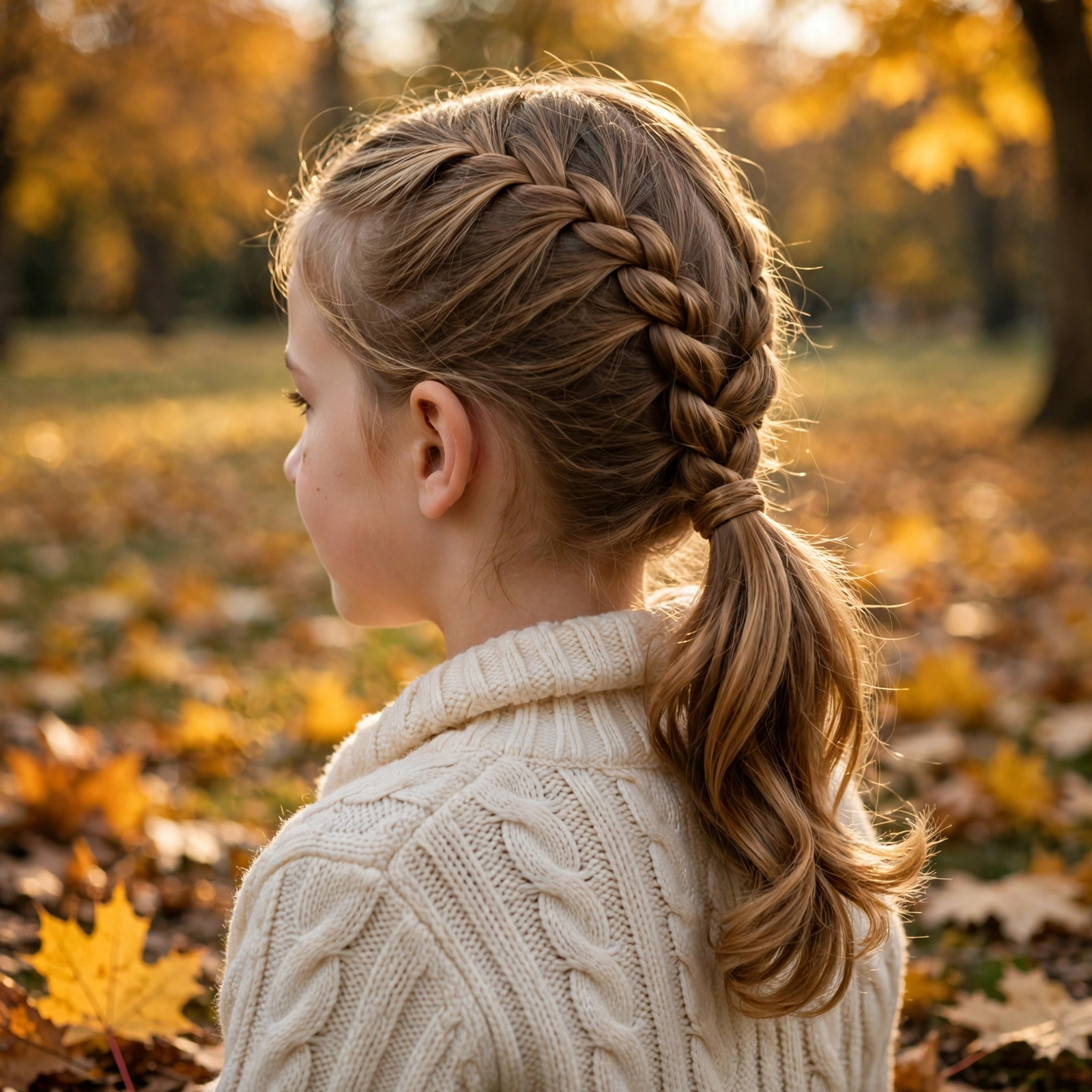
One smooth French braid from the crown into a bouncy ponytail — the school-morning hero. The braid keeps the front neat and off her face all day while the ponytail adds movement. For fall 2026 it’s trending soft: slightly loosened and “pancaked” for fullness rather than drum-tight. The vibe is classic and sporty — school days, soccer practice, fall festivals, and picture day.
How to get it: Brush all hair back and take a triangle section at the crown. Split it into three strands and French-braid downward, adding hair from each side as you go, until you reach the nape — then gather everything (braid tail plus all remaining hair) into a high or mid ponytail and secure. Finish by wrapping a small strand of hair around the elastic and pinning it underneath. The whole thing takes five to eight minutes, and the ponytail hides any uneven braiding.
Best for: Ages 5–14; all hair types, though wavy and curly hair grips best; medium to long hair (shoulder length and beyond). Great first “real braid” for parents still learning.
Maintenance: Low. About five minutes in the morning; lasts one full school day, and the braid portion often survives into day two. Refresh the ponytail with a quick re-brush.
Pro tip: Braid on slightly damp hair with a pea-sized amount of Cantu leave-in conditioner worked through first — it tames flyaways without stiffness, and the braid sets smoother as it dries.
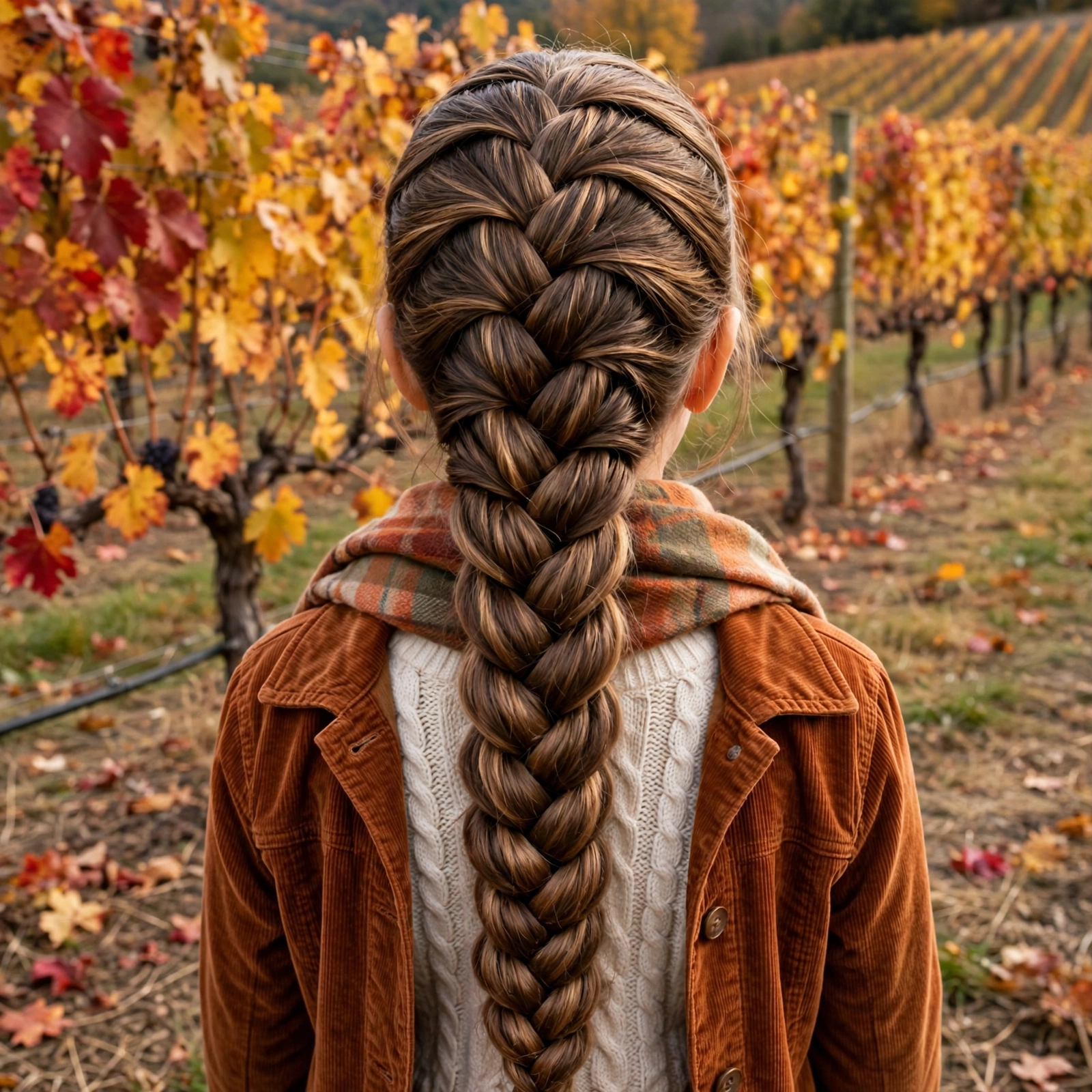
2. Double Dutch Braids
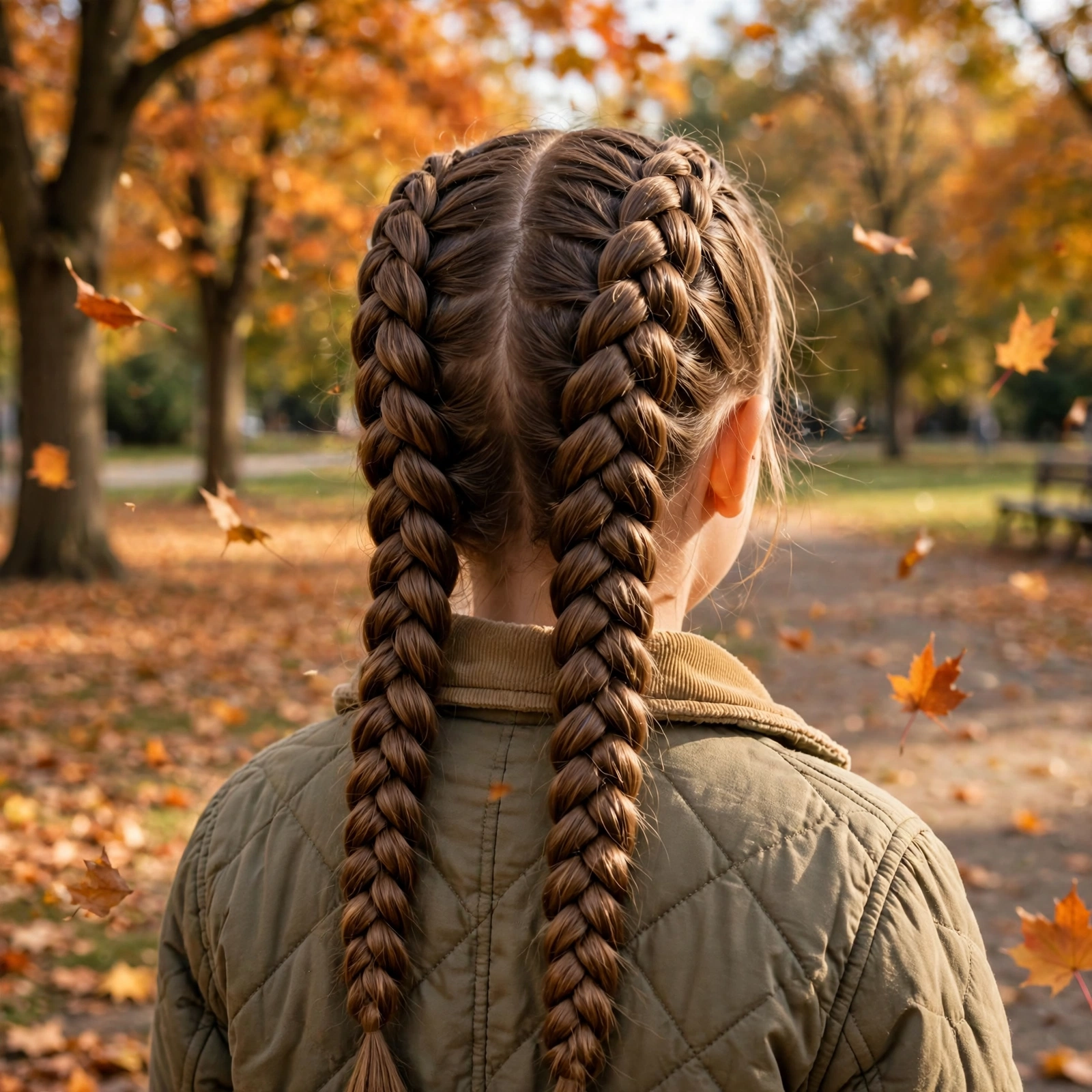
Two chunky Dutch braids from hairline to nape, sitting raised on the hair — the boxer-braid look, kid-sized. Crossing strands under instead of over makes the plait pop in 3D, which is why it photographs well and holds tighter than a French braid. In our testing this was the most durable style on the list: PE, recess tag, a windy walk home — still intentional at dinner. The vibe is sporty-cute: school, sports days, weekends, and beanie season.
How to get it: Part hair cleanly down the middle from forehead to nape and clip one side away. On the first side, take a triangle section at the hairline, split into three, and Dutch-braid back: cross the side strands under the middle, adding hair from the sides as you go. Braid the tail to the ends in a regular three-strand plait and secure. Repeat on the other side. Ten to fifteen minutes with practice; keep tension even so both braids match.
Best for: Ages 6–14; all hair types and textures — one of the few styles that genuinely works on everyone; medium to long hair. Curly and coily hair holds these the longest.
Maintenance: Low. Ten minutes to install; lasts two to three days with a satin pillowcase at night. Edge-control the hairline on day two for a fresh look.
Pro tip: Pancake the braids — gently tug the outer edges of each woven section to widen them — right after finishing. It makes the braids look twice as thick and hides any uneven tension instantly.
3. Bubble Braid Pigtails
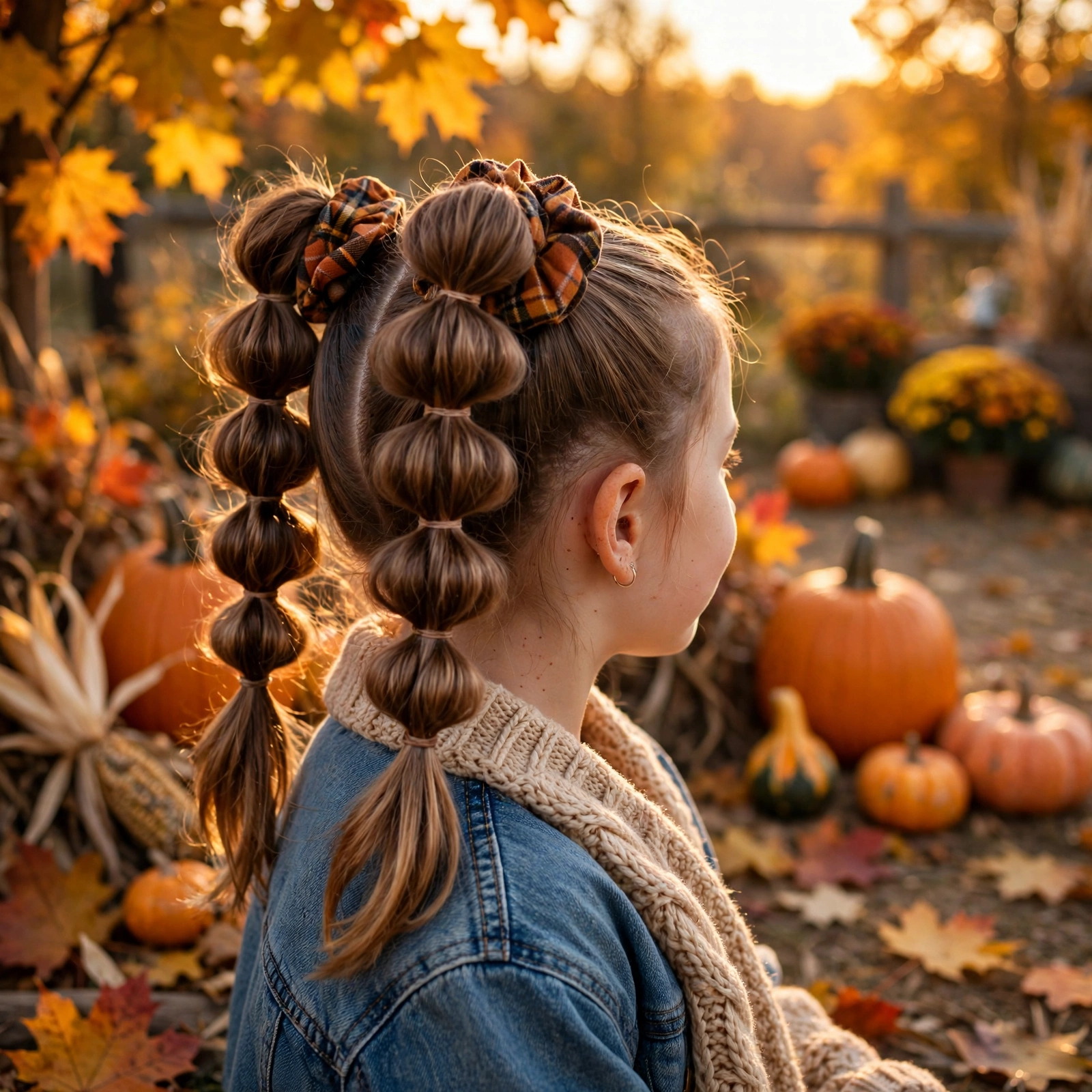
Two high pigtails sectioned with elastics and fluffed into round “bubbles” — zero actual braiding required, maximum fun delivered. Made for parents who can’t braid and kids who won’t sit still: all ponytails and elastics, yet the result looks intricate and festive. Huge for fall 2026 because it pairs perfectly with seasonal accessories — plaid scrunchies or velvet bows take it from playground to Thanksgiving table. The vibe is pure playful: school days, fall parties, Halloween, and low-patience mornings.
How to get it: Part hair down the middle and make two high pigtails. On each pigtail, place small clear elastics every two to three inches down the length. Gently tug each section outward between the elastics to puff it into a bubble, working from top to bottom. Fluff the bubbles wider for a fuller look. Five minutes total, and wiggly kids barely need to sit still since there’s no weaving.
Best for: Ages 4–10; all hair types, including fine hair that won’t hold real braids; medium to long hair (needs enough length for at least three bubbles per side).
Maintenance: Low. Five minutes; lasts one full day. The bubbles deflate a bit by evening — re-fluff with a gentle tug in the morning and it often survives day two.
Pro tip: Use small clear elastics rather than colored ones for the bubbles, then add one statement scrunchie at the base of each pigtail. The look reads polished instead of crafty, and elastics come out without snagging if you snip them carefully with small scissors.
4. Fishtail Side Braid
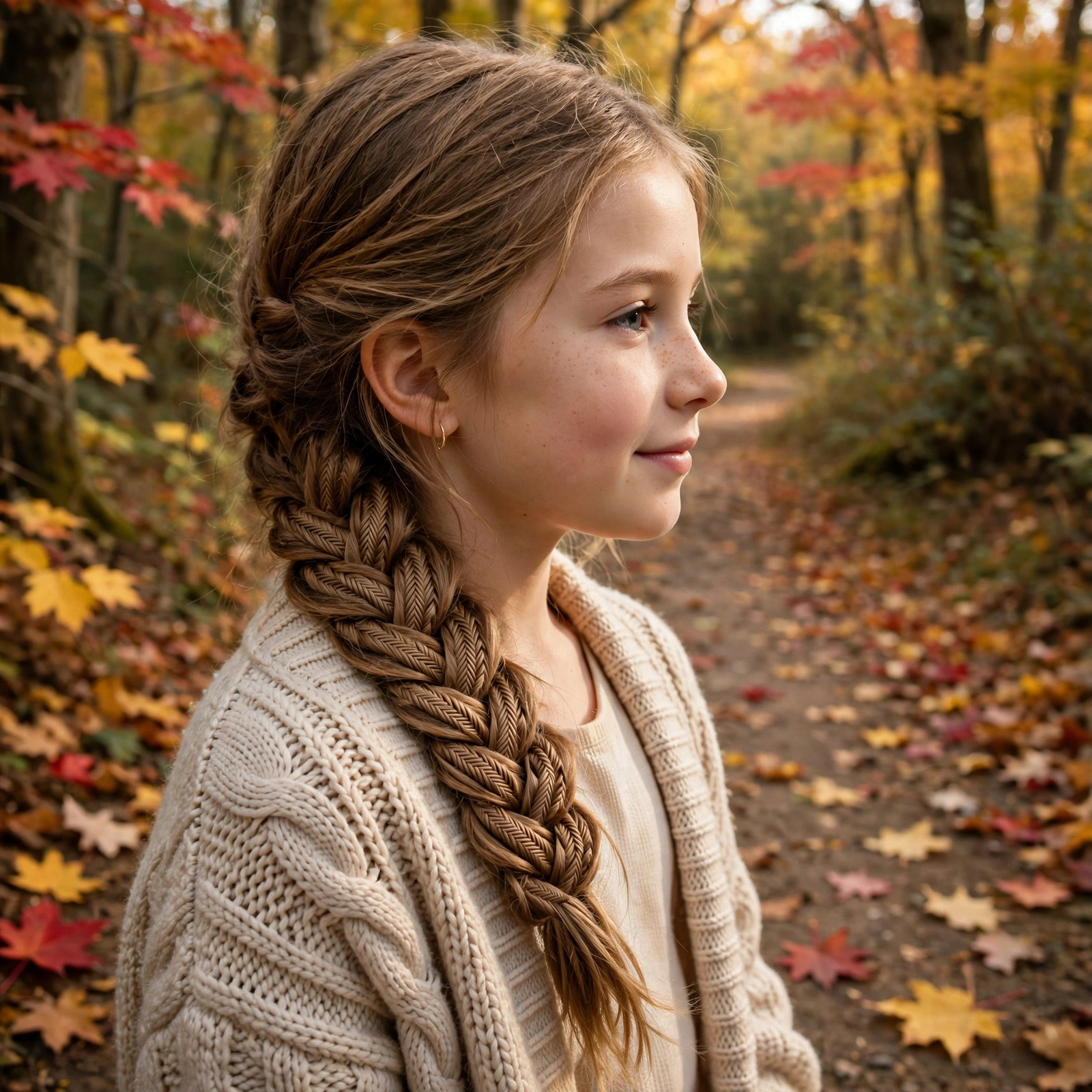
A fishtail braid swept over one shoulder — the romantic, slightly boho entry on this list. Instead of three strands, the fishtail weaves two sections with tiny pieces crossed over, creating that intricate herringbone pattern that looks far harder than it is. For fall 2026 it’s trending worn loose and chunky rather than tight and skinny, which also makes it faster to do. The vibe is soft and dreamy — fall weddings as a guest, holiday concerts, birthday parties, and tweens who want a braid that feels special.
How to get it: Sweep all hair over one shoulder and split it into two equal sections. Take a thin strand from the outside of the left section, cross it over to join the right section; then take a thin strand from the outside of the right section and cross it over to the left. Repeat all the way down and secure. The key is keeping the two main sections distinct — smooth them with your fingers every few crosses. Ten to twelve minutes; practice on a weekend first.
Best for: Ages 8–14; medium to thick hair shows the herringbone best; medium to long lengths. Works beautifully on wavy and curly hair.
Maintenance: Low to medium. Ten minutes to create; lasts one to two days. Gently pancake the edges for a fuller, softer finish that also disguises beginner unevenness.
Pro tip: Braid it slightly loose on purpose, then tug the edges — a tight fishtail on a kid looks severe and pulls at the scalp, while a loose one looks expensive and stays comfortable all day. A light mist of water before you start stops fine hair from slipping.
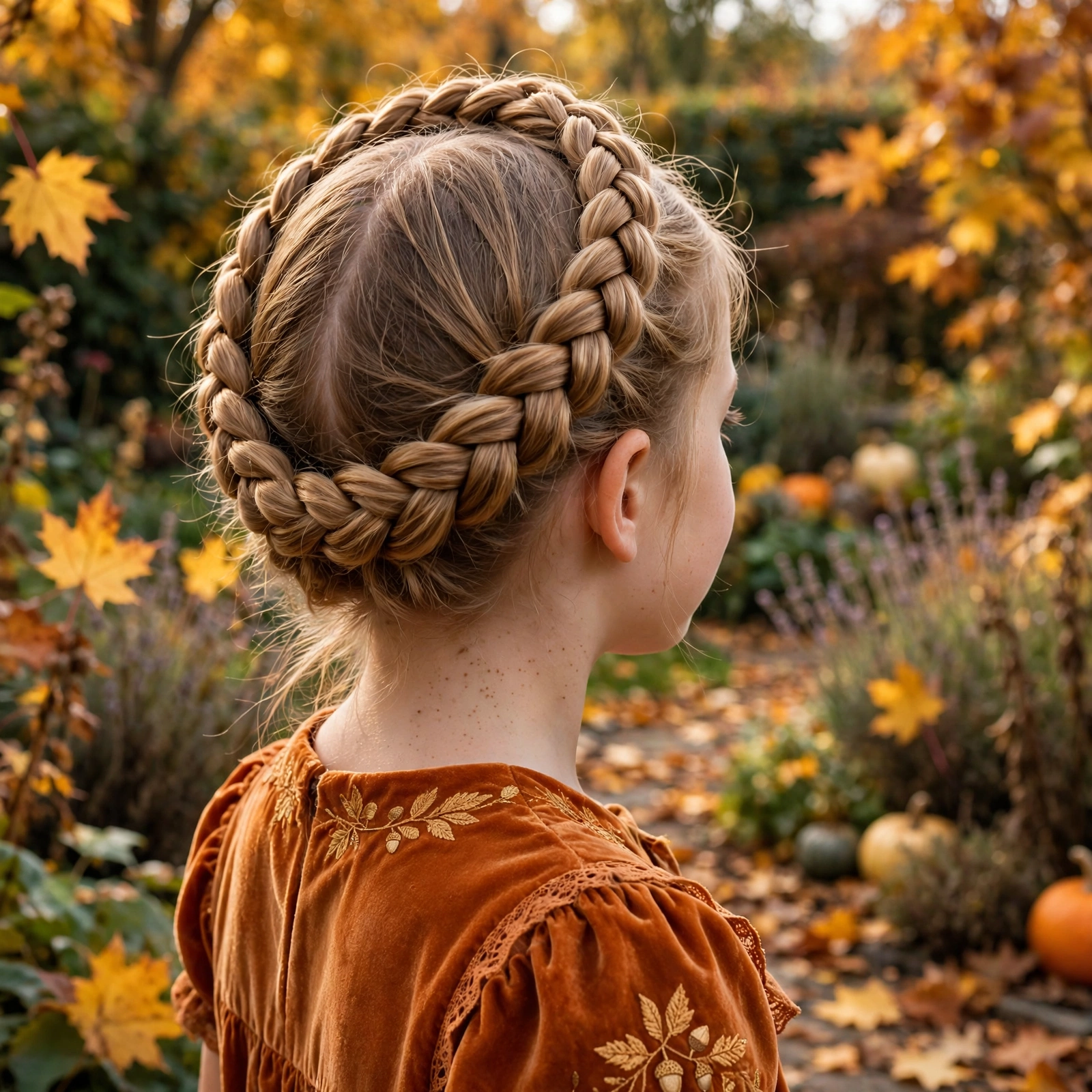
5. Crown Halo Braid
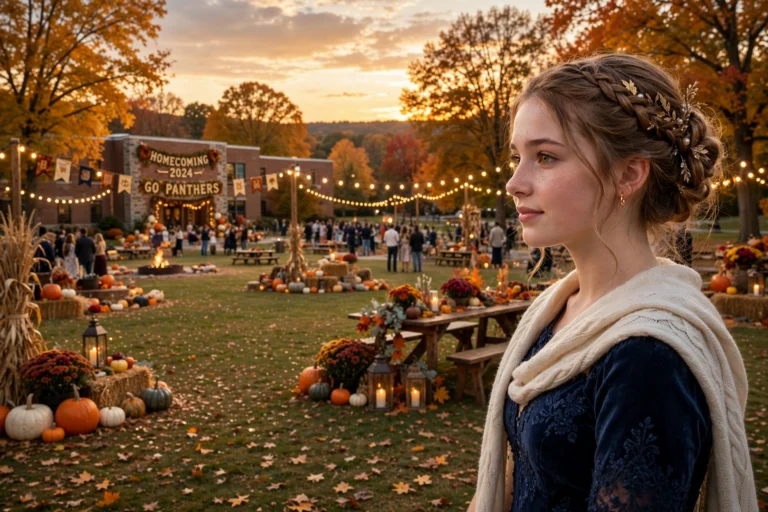
A single braid circling the entire head like a halo — the showstopper. Every strand stays contained (nothing in her face, nothing catching on zippers or backpack straps), making it as practical as it is pretty. For fall 2026 the halo trends softer and slightly imperfect — a few wisps loose instead of scraped-back severe. The vibe is special-occasion magic: Thanksgiving, holiday photos, fall concerts, flower-girl duty. Relatives asked “who did her hair?” every time.
How to get it: Part hair to one side and start a Dutch braid at the hairline behind one ear, braiding along the hairline and around the head, adding hair from both sides as you travel. Keep going all the way around until you return to your starting point, then braid the remaining tail and tuck it under the braid, pinning it flat. Twenty to twenty-five minutes — this is a weekend or event-day braid, not a school-morning one. Use bobby pins that match her hair color, crossing them in X shapes for grip.
Best for: Ages 7–14; medium to long hair with enough length to travel the full circle; all textures. Thick hair makes the most impressive halo.
Maintenance: Medium to high. Twenty minutes to install, but it lasts two to three days — the longest-wearing style here. Sleep in a satin bonnet and smooth the hairline with edge control each morning.
Pro tip: Braid it the night before the event, slightly looser than you think. Overnight the braid settles and softens into that coveted lived-in halo, and morning-of you only need to tidy the hairline — zero day-of stress.
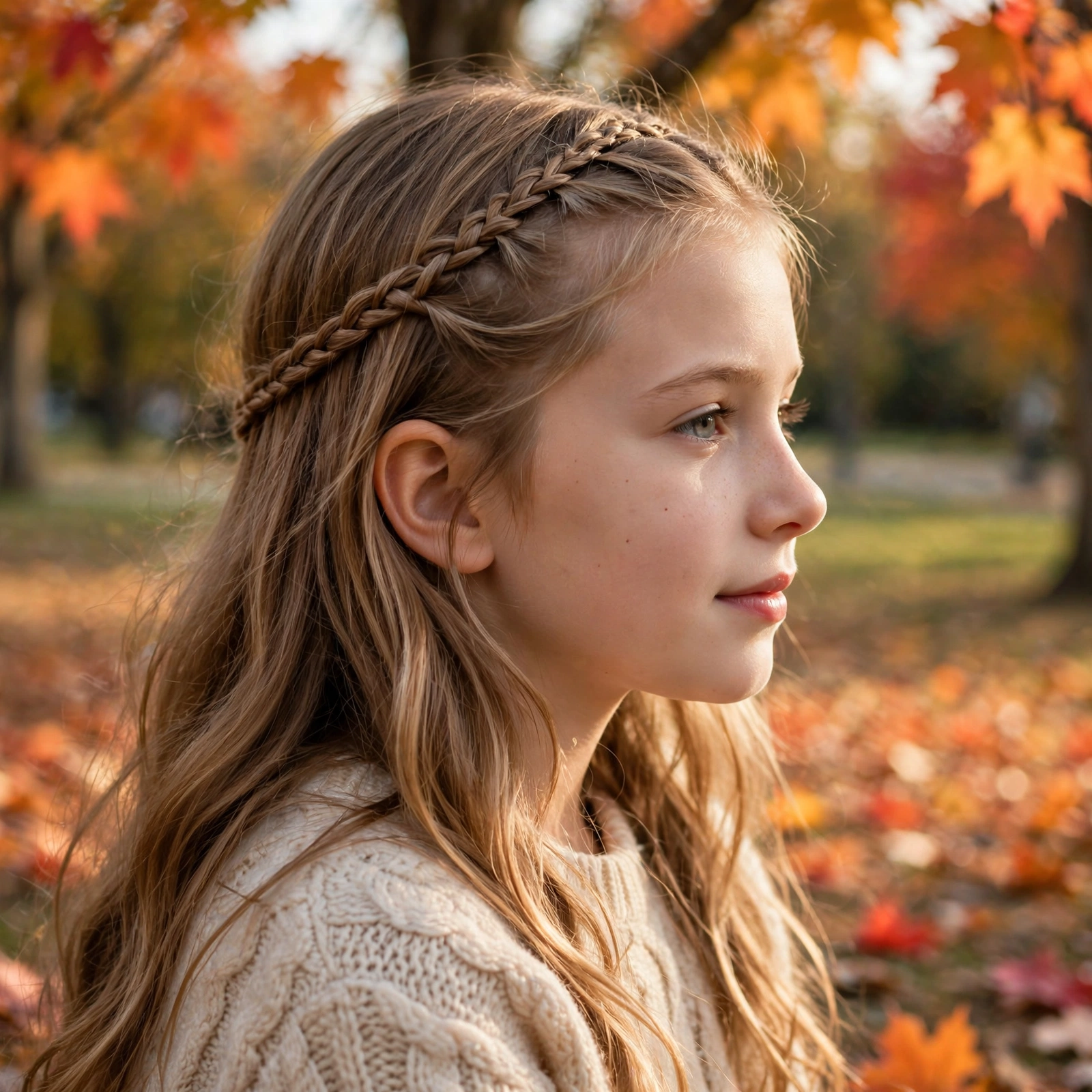
6. Lace Braid Headband
A slim braid running along the hairline like a headband, with the rest of the hair left flowing — the best of both worlds for girls who want braids but also want their hair down. The lace braid only adds hair from one side (the front), so it sits flatter and more delicate than a French braid, like a braided headband made from her own hair. It’s perfect for fall because it keeps front pieces out of her face on windy days while showing off length for photos. The vibe is sweet and effortless — school picture day, weekend outings, and girls who say “I want my hair down” but need it managed.
How to get it: Part hair where you like and take a small section at one temple. Braid along the hairline toward the other temple, adding hair only from the front side (the side away from the face stays unadded — that’s what makes it “lace”). When you reach the far temple, braid the tail a few inches, then pin it discreetly behind the ear under the loose hair. Eight to ten minutes; the loose hair hides any wobbles in the braid.
Best for: Ages 6–14; all hair types; medium to long hair. Especially good for girls growing out bangs — the braid sweeps them neatly away.
Maintenance: Low. Under ten minutes; lasts one day (the loose hair means nightly re-braiding, but it’s quick). A little hairspray along the braid keeps it crisp.
Pro tip: Pin the braid’s tail with two bobby pins crossed in an X behind the ear, then let the top layer of loose hair fall over the pins. Invisible hold, zero hardware showing — and it survives a whole school day.
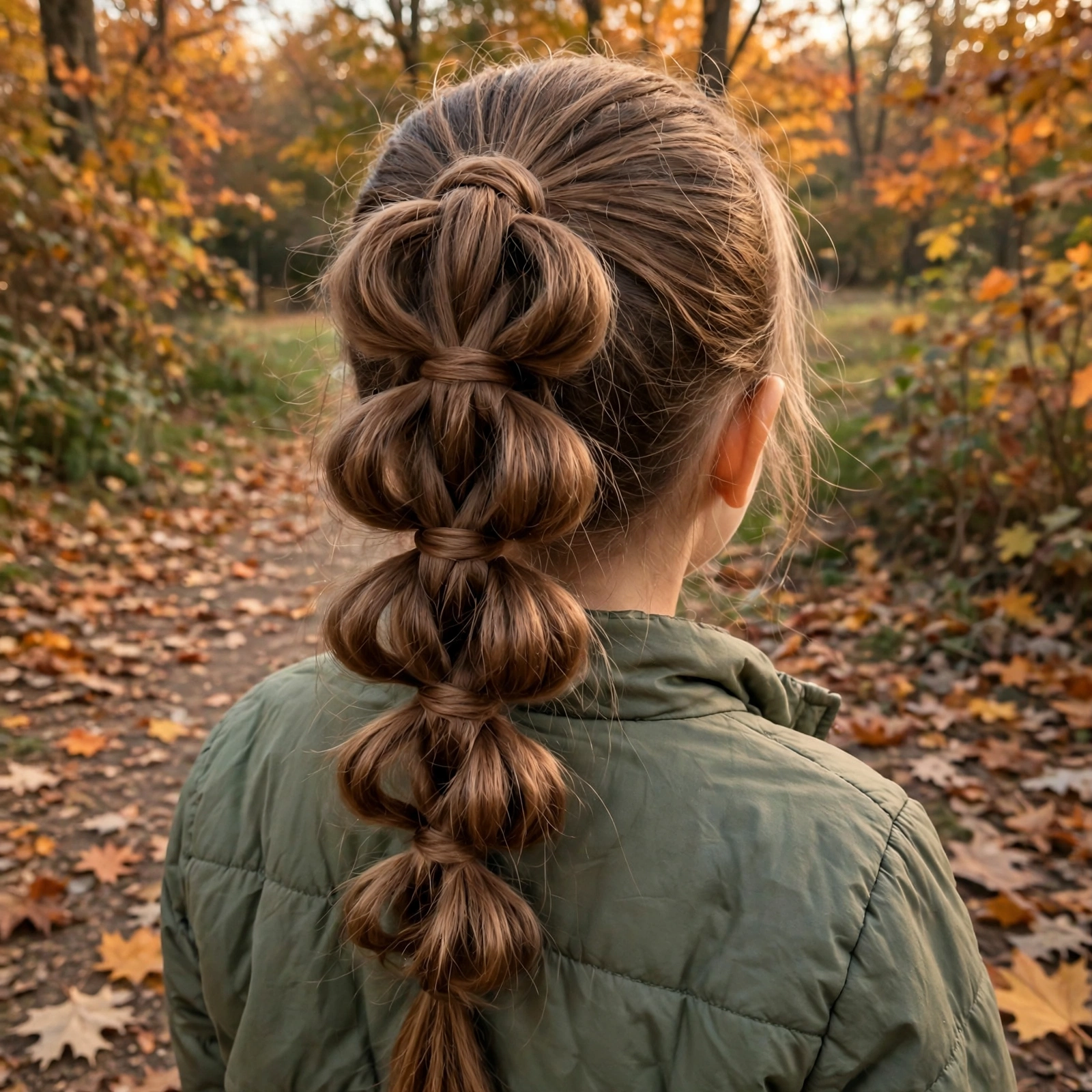
7. Pull-Through Braid Ponytail
The fake braid that fools everyone — a thick, rope-like plait built from stacked ponytails looped through each other, no weaving involved. It looks like an intricate four-strand braid but it’s pure ponytail engineering, which is why parents love it. Our testers found it grips fine, slippery hair better than any real braid here, and the chunky texture looks fantastic against fall knits. The vibe is modern and cool — tweens love it, school mornings love it, and it photographs like a salon style.
How to get it: Gather hair into a ponytail at the crown and secure. Split the ponytail into top and bottom halves; clip the top half up. Make a second ponytail with just the bottom half an inch or two below the first. Drop the top half down, split it around the second ponytail, and join the pieces underneath with a third elastic. Repeat down the length. Eight to ten minutes once you get the rhythm — the motion becomes automatic fast.
Best for: Ages 6–14; fine to medium hair especially (the technique adds grip and fullness slippery hair lacks); medium to long hair.
Maintenance: Low. About ten minutes; lasts one to two days. The structure holds better than real braids on fine hair — a genuine surprise in our testing.
Pro tip: Pancake each looped section as you go — tug the edges outward before adding the next elastic. Building the fullness in layers gives you a braid that looks twice as thick with zero extra effort.
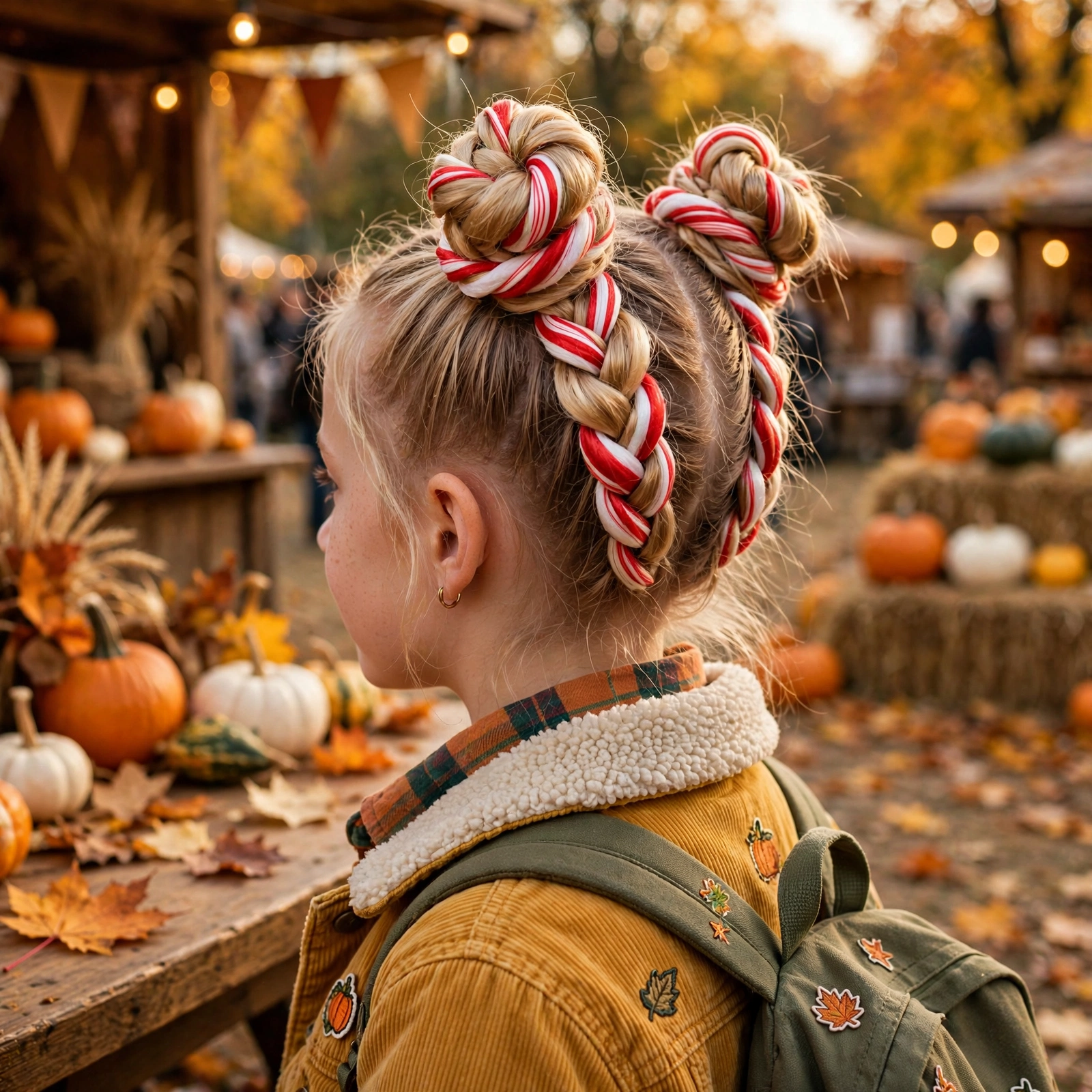
8. Double Rope-Braid Space Buns
Two high buns, each wrapped from a twisted rope braid — the fun one. A rope braid is just two strands twisted in the same direction, then twisted around each other, and it creates a beautiful candy-cane texture that makes the buns look far fancier than the effort involved. For fall 2026, space buns are trending slightly messy and low-key rather than perfect spheres, which is great news for parents. The vibe is playful and confident — weekend plans, birthday parties, Halloween (it works with a shocking number of costumes), and girls with big personalities.
How to get it: Part hair down the middle and make two high pigtails. On each, split the ponytail into two strands, twist each strand clockwise, then twist the two strands counterclockwise around each other to the ends and secure — that’s the rope braid. Coil each rope braid into a bun and pin. Ten minutes total; the rope twist is easier than it sounds and kids love watching it form.
Best for: Ages 5–13; all hair types; medium to long hair. Curly hair makes gloriously full buns with this technique.
Maintenance: Low. Ten minutes; lasts one full day of play. Sleep will flatten the buns, so this is a one-day style — but it’s quick enough to redo.
Pro tip: Add a tiny bit of gel or styling cream (SheaMoisture Kids Curling Butter Crème is a parent favorite) to each section before twisting. It keeps the rope braid smooth and stops the ends from unraveling out of the buns.
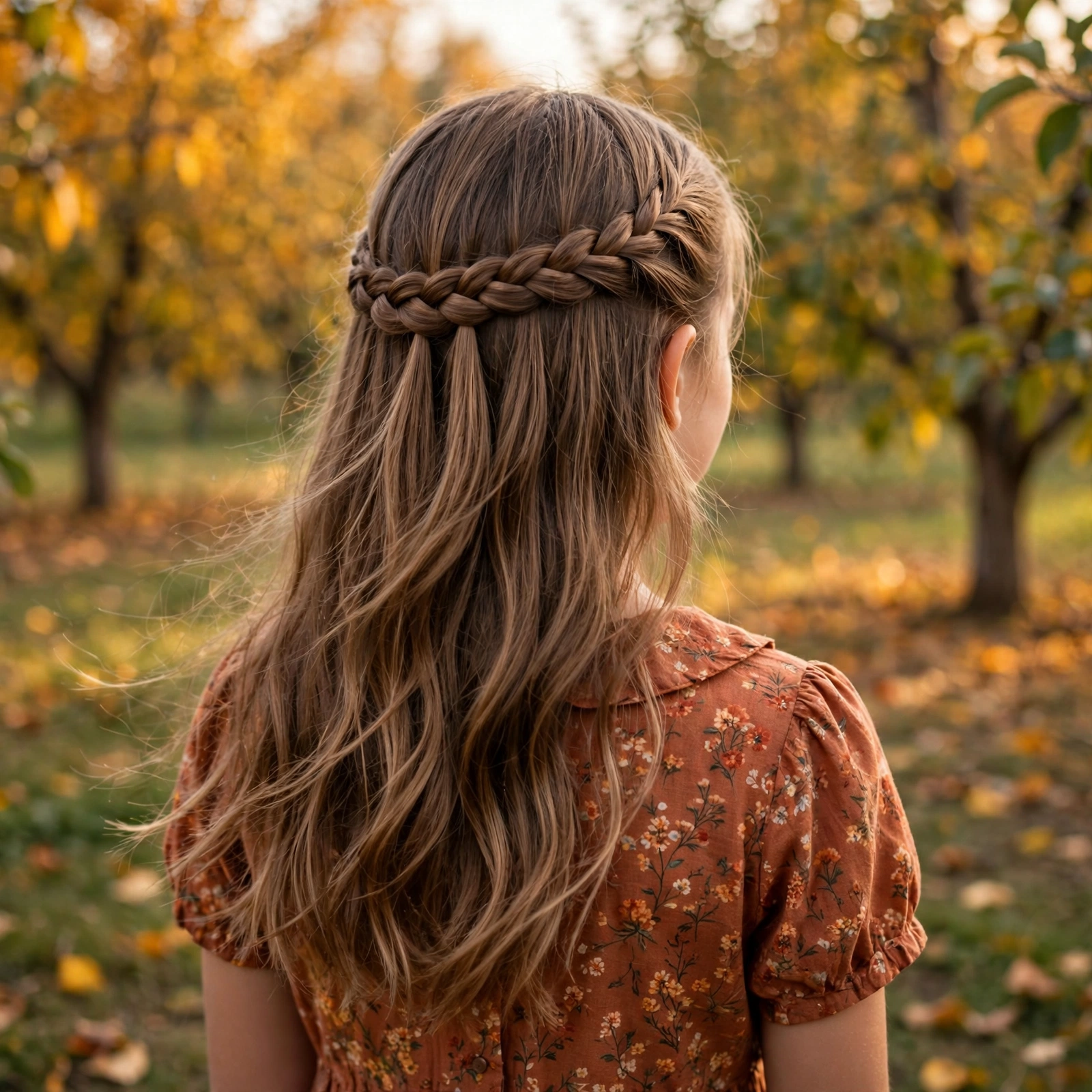
9. Waterfall Half-Up Braid
A horizontal braid across the back where strands are dropped and picked up so sections “waterfall” through — the romantic half-up. It holds the front back like a headband while most hair flows free, and the cascade catches fall light beautifully. A tween favorite for 2026: delicate and grown-up without fuss. The vibe is soft romance — fall dances, birthday dinners, holiday photos, and girls who want fancy with their hair still down.
How to get it: Take a section at one temple and start a three-strand braid heading horizontally across the back of the head. After each stitch, drop the bottom strand and pick up a new section of hair from just below it to continue — the dropped pieces become the “waterfall.” Braid to the other temple and pin. Fifteen minutes with practice; watch the dropped strands stay even for the prettiest cascade. A little texturizing spray beforehand helps the braid grip.
Best for: Ages 9–14; straight to wavy hair shows the waterfall effect best; medium to long hair. Fine hair works — the half-up structure means less weight pulling.
Maintenance: Medium. Fifteen minutes to create; lasts one day, sometimes two with pins re-secured. Best as an event or weekend style rather than a daily driver.
Pro tip: Curl the waterfall pieces loosely with a large-barrel iron (heat protectant first, always) — the defined curls turn the cascade from pretty to breathtaking, and it’s the difference between the Pinterest version and the real-life one.
10. Four-Strand Statement Braid
One thick braid woven from four strands instead of three — the advanced-level showpiece. The four-strand weave creates a wider, flatter, more intricate plait that looks like it came from a salon chair, and it’s genuinely uncommon on kids, which makes it a head-turner. This is the braid for the girl who’s mastered everything else on this list and wants a new challenge — or for a parent who’s leveled up their braiding game. The vibe is impressive and polished — holiday events, recitals, competitions, and anywhere she wants her hair to be the conversation.
How to get it: Gather hair into a low ponytail first (braiding from a ponytail base is much easier to learn). Split the ponytail into four equal strands. Weave: take the leftmost strand over the next, then under the next, then over the last — repeat the over-under-over rhythm all the way down. Keep tension even and smooth the strands as you go. Fifteen to twenty minutes; practice the rhythm on a weekend with a piece of yarn first if the pattern feels confusing.
Best for: Ages 10–14; medium to thick hair (four strands need volume to look right); medium to long lengths. Best attempted after she’s comfortable with Dutch braids.
Maintenance: Medium. Fifteen minutes once learned; lasts one to two days. The flat weave loosens gracefully rather than falling apart.
Pro tip: Say the rhythm out loud — “over, under, over” — until your hands memorize it. Every four-strand braider we know learned it as a chant first, and it clicks suddenly around the third practice run.
11. Dutch Braid Low Bun
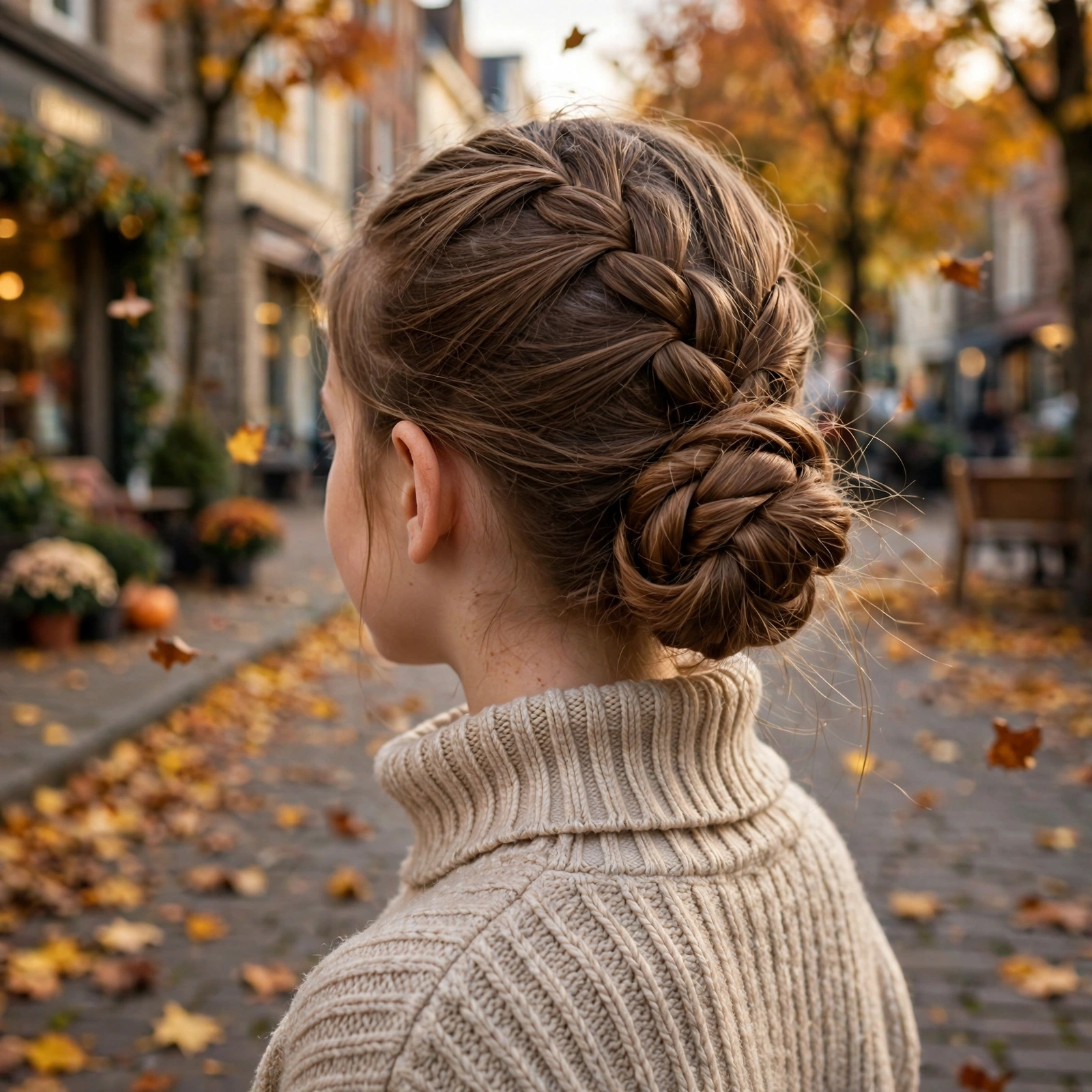
A Dutch braid from the crown flowing into a low twisted bun at the nape — the elegant all-rounder. The braid adds texture and interest to what would otherwise be a plain bun, and the low placement means it sits comfortably under hoods, beanies, and coat collars all fall. It’s the style our testers reached for when the day demanded polish without fuss: it looks intentional at 8 a.m. and still looks intentional at 8 p.m. The vibe is neat and classic — school concerts, family dinners, religious services, and picture day.
How to get it: Dutch-braid from the crown to the nape (cross strands under, adding hair from the sides), then gather everything into a low ponytail. Twist the ponytail loosely, coil it into a bun at the nape, and pin securely. Pancake the braid before coiling for fullness. Twelve to fifteen minutes; the bun forgives any unevenness in the braid.
Best for: Ages 7–14; all hair types; medium to long hair. Curly hair makes a beautifully full bun with zero extra effort.
Maintenance: Low to medium. About fifteen minutes; lasts one to two days. Re-pin any loosened sections in the morning and smooth the braid with a touch of leave-in.
Pro tip: Use U-shaped hair pins instead of bobby pins for the bun — they grip more hair, disappear into the style, and hold twice as long. Three U-pins do the work of eight bobby pins.
12. Crisscross Braided High Ponytail
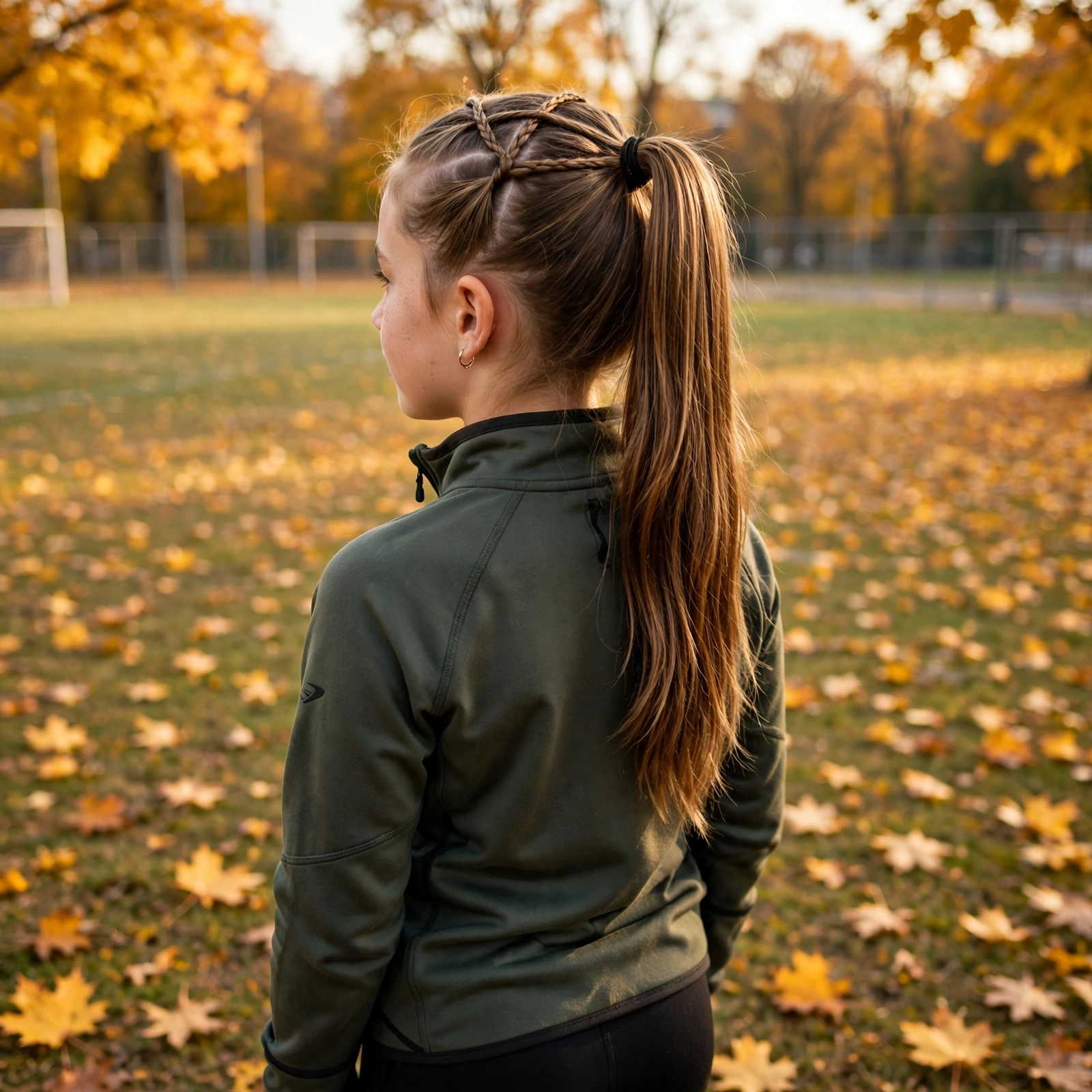
Two small braids crisscrossed at the crown feeding into a high ponytail — sporty, cute, seriously stay-put. The crossed braids anchor the front smooth and secure no matter how much she moves, making it a favorite for active girls. For fall 2026 it trends with a sleek ponytail and slightly chunky braids — a fun contrast with athletic wear and fall layers. The vibe is energetic and cool: sports days, weekends, and tweens who want braids without the “little kid” feel.
How to get it: Part hair from ear to ear, separating a front section from the back. Split the front section down the middle and Dutch-braid each side toward the crown, crossing them over each other where they meet. Gather everything — braids plus back hair — into a high ponytail and secure firmly. Wrap a strand around the elastic. Ten to twelve minutes; the crisscross hides part-line wobbles.
Best for: Ages 7–14; all hair types, especially thick hair that needs anchoring; medium to long hair.
Maintenance: Low. About ten minutes; lasts one to two days. The anchored front stays neat even when the ponytail gets playful by afternoon.
Pro tip: Smooth a pea-sized amount of gel through the front sections before braiding (Aussie Instant Freeze Gel is cheap, effective, and washes out easily). It keeps the crisscross crisp through wind, hoods, and gym class.
Fall Braided Hairstyles for Girls: FAQs
How do I braid my daughter’s hair if she won’t sit still?
Choose no-weave styles and shrink the session. Bubble braids (#3) and pull-through braids (#7) need zero actual braiding and go in within five minutes — most wiggly kids tolerate them — no sustained pulling. Braid while she’s distracted (a show, a snack, a sibling reading aloud), work in short bursts with breaks, and narrate what you’re doing so there are no surprise tugs. For longer styles, split the job: do the parting and prep in the morning, braid after school. And honestly? A five-minute bubble braid she loves beats a twenty-minute Dutch braid she cried through — every time.
My daughter says braids hurt. How do I braid without pulling?
Pain means the tension is wrong, not that braids aren’t for her. Keep the first inch near the hairline loose — that’s where most pulling happens — and build tension gradually as you move from the scalp. Never braid soaking-wet hair tight; damp, detangled hair with leave-in slides without yanking. Check in as you go (“does this feel okay?”): kids who dread braiding usually need a gentler hand, not a different style. If her scalp is frequently tender or you notice thinning along the hairline, loosen up significantly and read these dermatologists’ healthy hair tips — tight styles worn often can stress the hairline, and comfort always comes first.
Can she sleep in braids? How do I keep them neat overnight?
Yes — sleeping in braids is one of the best routes to multi-day wear, plus a gentle heatless-wave trick for morning. The rules: the braid must be comfortable to sleep in (if it hurts lying down, it’s too tight), long braids get loosely re-braided or gathered into a loose pineapple, and a satin or silk pillowcase is non-negotiable — cotton creates the frizz that kills a braid by morning. For buns and updos, a satin bonnet works better. In the morning, smooth the surface with leave-in-dampened palms, re-secure loose elastics, and touch up the hairline. Most styles here gain a full extra day with proper nighttime care.
Her hair is thin and fine — will braids even hold?
Absolutely, but choose the right techniques. Fine, slippery hair struggles with fishtails and loose three-strand braids, which slide apart — instead, reach for the pull-through braid (#7), Dutch braids (#2), and bubble braids (#3), all of which grip fine hair far better than their woven cousins. Prep is everything: braid on day-old hair rather than freshly washed (natural oils add grip), add dry shampoo or texturizing spray at the roots before you start, and keep sections small — smaller sections hold tighter. Pancaking (gently widening the braid) also makes fine hair look dramatically thicker. Avoid heavy oils and conditioners before braiding; they make fine hair too slippery to hold.
What’s the least damaging way to take braids out?
Never pull or yank — patience at takedown prevents most braid-related breakage. Slide elastics off gently or snip them carefully (never pull them through the hair), then unweave from the bottom up, finger-detangling as you go. If a section tangles, don’t force it: work in conditioner or detangling spray and tease it apart with fingers before reaching for a comb. After takedown, wash and condition well — braids trap shed hair and product, and a fresh start keeps the scalp healthy.
The Bottom Line
The best fall braided hairstyles for girls aren’t the most complicated ones — they’re the stay-put braids that survive her real life: school, sports, wind, and coat hoods, without a morning meltdown from either of you. Pick one easy win (double Dutch braids or bubble pigtails) and one special-occasion style (the crown halo or waterfall braid), practice each once on a relaxed weekend, and fall hair season is handled. And when she’s ready to graduate to grown-up braiding, our braided prom hairstyle ideas are waiting. Happy fall, and happy braiding.