
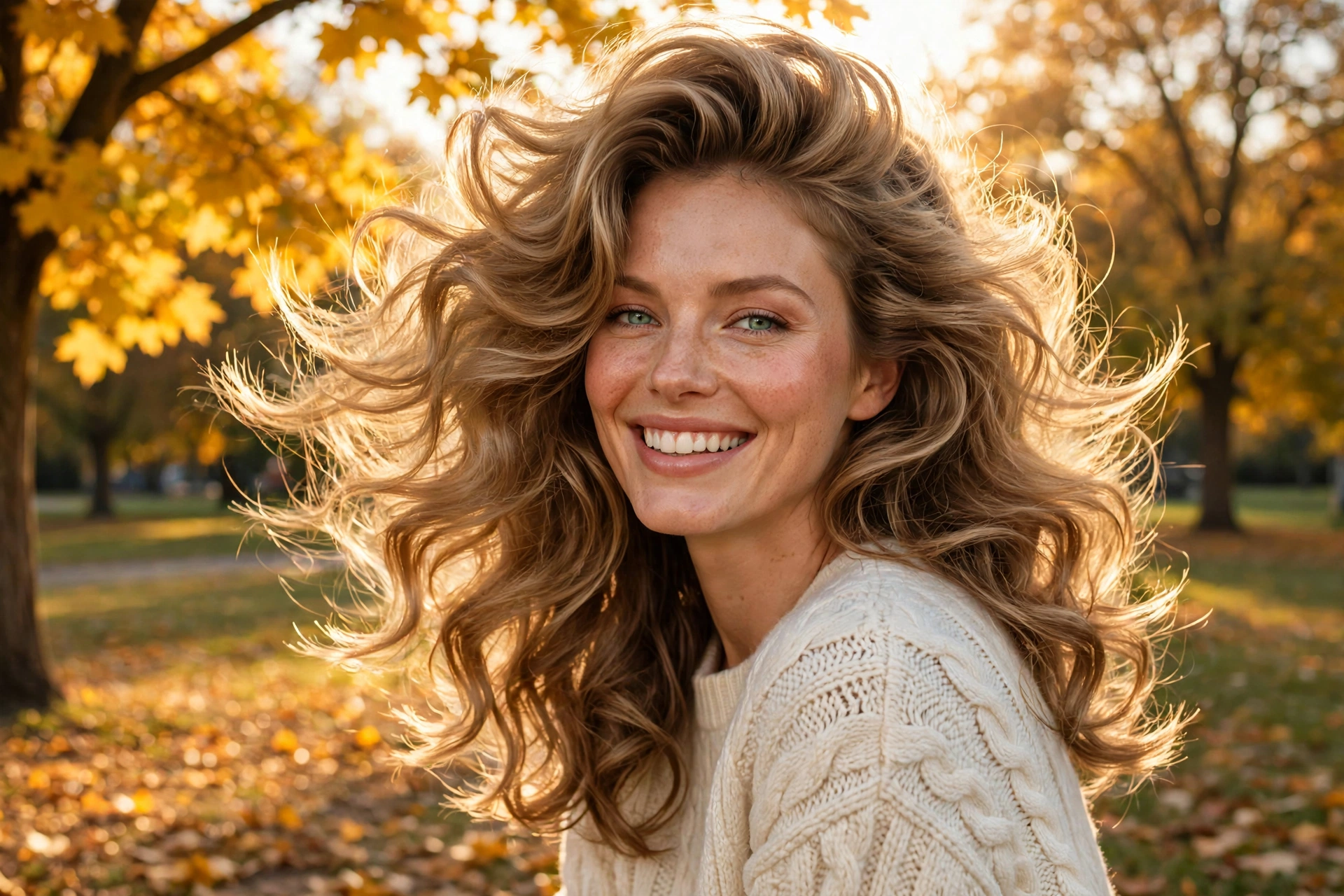
12 Volume-Boosting Fall Hairstyles for Thin Hair Women
If your hair has ever been described as “baby fine,” you already know the real talk: most hairstyle roundups are written for people with twice your density. That’s what makes this list different. These 12 fall hairstyles for thin hair aren’t styling hacks meant to hide your hair type — they’re cuts and styles engineered to create the illusion of density, and our editors have tested the principles behind every single one.
The best fall hairstyles for thin hair in 2026 are the blunt bob, textured lob, and layered pixie — here’s why: each one builds fullness through shape rather than teasing, heat, or hope. Fall is genuinely the finest season for fine hair (pun intended). Lower humidity means your volume doesn’t collapse by noon, cooler air means less scalp sweat weighing down your roots, and the season’s biggest autumn hair trends 2026 lean toward blunt perimeters and strategic texture — both of which flatter thinner hair enormously.
The honest physics of it: thin ends look thinner because light passes through them, while a solid, blunt edge reads as thickness. That’s not marketing — it’s optics. Meanwhile, too many layers do the opposite of what you want on fine hair; they thin the ends into nothing. The sweet spot, and the theme of this entire guide, is blunt perimeters plus strategic layers: one solid edge to fake density, and layers only where they create lift (crown, face frame) rather than everywhere.
There are also honest mistakes to avoid, and we’ll be blunt about them (pun fully intended). Over-conditioning the roots, piling on heavy oils and silicone serums, air-drying flat against your head, and wearing one-length hair parted dead-center — each of these quietly flattens whatever volume your cut gave you. None of them require a product haul to fix; most are just habit swaps.
The good news? Some of fall’s biggest fall hair ideas are thin-hair friendly by design. Blunt bobs are back with a vengeance, the shaggy pixie-bob is having a moment, and lived-in waves are everywhere. Every style below comes with the full picture: what it is, why it’s trending for fall 2026, exactly how to get it (salon ask + DIY), who it flatters, honest maintenance expectations, and a pro tip our team stands behind. Let’s build your fullest fall hair yet.
Table of Contents
- The Blunt Bob
- Layered Pixie with Texture
- The Bouncy Blowout Lob
- Curtain Bangs + Face-Framing Layers
- The Deep Side-Part Chop
- Stacked Bob
- Shaggy Pixie-Bob
- Voluminous Curls with a Diffuser
- The French Girl Bob with Wispy Bangs
- Half-Up Volume Bump
- Textured Lob with Beach Waves
- The Braided Crown Boost
Editor’s Top 5 Volume-Boosting Picks
Short on time? These are the five looks our editors keep recommending for thin hair this fall — the highest fullness-to-effort ratio on the entire list. One quick caveat: these picks assume naturally fine hair — if you’ve noticed sudden, heavy shedding, dermatologists explain hair shedding vs. hair loss so you know when to see a specialist.
1. The Blunt Bob
The number one volume haircut for thin hair, period. One clean length, zero layering through the perimeter, and ends so solid they read as twice the density you actually have. If you do one thing this fall, book the blunt cut.
2. Layered Pixie with Texture
The wash-and-go volume champion. Choppy layers stack on top of each other to create natural lift, and with so little weight pulling down, everything defies gravity. Dries in minutes, looks fuller than any long style could.
3. The Bouncy Blowout Lob
Collarbone length with long layers and serious root lift — big-hair energy that’s genuinely fine-hair friendly. The blowout does the volumizing work, and fall’s dry air means it actually survives the day.
4. Curtain Bangs + Face-Framing Layers
The highest-impact change with the least commitment. You keep your length, but strategic pieces around the face create the impression of density exactly where the eye lands first. No layers through the back means no sacrificed perimeter.
5. The Deep Side-Part Chop
The oldest trick in hairdressing, and it still works. A deep side part creates asymmetry, and asymmetry reads as volume — pair it with a chin-length chop and the effect doubles. Free to try, today, in your bathroom mirror.
What Creates Volume in Thin Hair?
Volume in fine hair starts at the perimeter, not the roots. A blunt, even bottom edge makes hair look dramatically thicker than wispy, layered ends — light passes through thin ends, but a solid edge stops it cold and reads as density. This is the optical illusion the blunt bob exploits, and it’s why we found it outperforming every other cut for thin hair: shape does what products only promise.
Strategic layering comes next, and the operative word is strategic. The classic mistake is layering everywhere, which on fine hair just makes the ends disappear. Shorter layers at the crown create height. Face-framing layers add movement without touching your perimeter. Internal layers — hidden underneath the top canopy — remove just enough weight for bounce without thinning the visible edge. Every layer should have a job description: if it doesn’t create lift or movement, it shouldn’t exist in your cut.
Root lift is the styling layer of the density illusion. Fine hair lies flat because each strand is lightweight, so lift has to be manufactured at the roots. The methods that actually work: blow-dry upside down (gravity becomes your friend), over-direct sections upward with a round brush at the crown, or set the top sections in Velcro rollers while you do your makeup. Volumizing mousse goes on damp roots only — never the lengths — because that’s where grip and lift live.
Then there’s the habit side, and this is where most thin hair loses its volume before noon. Products and habits that flatten thin hair: heavy silicone serums and oils applied near the roots, over-conditioning (conditioner belongs mid-lengths to ends, never the scalp), air-drying hair combed flat against the head, and rough-drying with your head upright. What to do instead: apply a volumizing mousse like Living Proof Full Thickening Mousse to roots on damp hair, dry with your head flipped, finish with a cool shot to set the lift, and keep a texturizing powder or dry shampoo at the roots — even on freshly washed hair — for grit that holds.
Fall is genuinely ideal for all of this. Lower humidity means your root lift doesn’t collapse by lunch, and cooler air means less scalp sweat weighing roots down. A little dry shampoo at the roots adds the texture fine hair needs to hold volume all day. Work with the season instead of against it, and thin hair stops being a limitation — it becomes a hair type with a very good game plan.
How to Choose the Right Volumizing Style
First, be honest about density versus texture — they’re different problems with overlapping solutions. Fine hair (thin strands) needs lightweight products that won’t drag it down; low-density hair (fewer strands) needs cuts that maximize the appearance of fullness. Most women dealing with “thin hair” have some combination of both, which is why every pick on this list specifies Best for with both factors in mind. For a deeper dive into cuts built specifically for fine strands, browse our hairstyles for thin hair guide.
Length is the next decision, and gravity gets a vote. Past the shoulders, fine hair gets weighed down by its own length — the volume sweet spot is chin to collarbone: short enough for bounce, long enough for versatility. If you love long hair, keep it, but commit to face-framing layers for movement and regular trims to stop ends from going wispy and transparent. Long thin hair with raggedy ends reads thinner than a sharp bob every single time.
Be brutally honest about your daily effort and your salon discipline. A pixie gives effortless wash-and-go volume but demands trims every 4–6 weeks — a grown-out pixie is the opposite of voluminous. A blunt bob needs minimal daily styling but the edge must stay sharp, so 6–8 week appointments are non-negotiable. A layered lob is the most forgiving grow-out on this list. The best volumizing cut is the one that’s freshly shaped — choose the maintenance schedule you’ll actually keep.
One more filter our team always applies: your face shape matters, but as a guide, not gospel. Height at the crown flatters round faces; side-swept volume softens square jawlines; chin-length fullness balances heart shapes; oval faces can wear nearly anything. Bring reference photos to every consultation and tell your stylist your goal in plain language — “I want my hair to look thicker” — because stylists cut for the goal you state, not the one you assume.
12 Volume-Boosting Fall Hairstyles for Thin Hair Women
1. The Blunt Bob
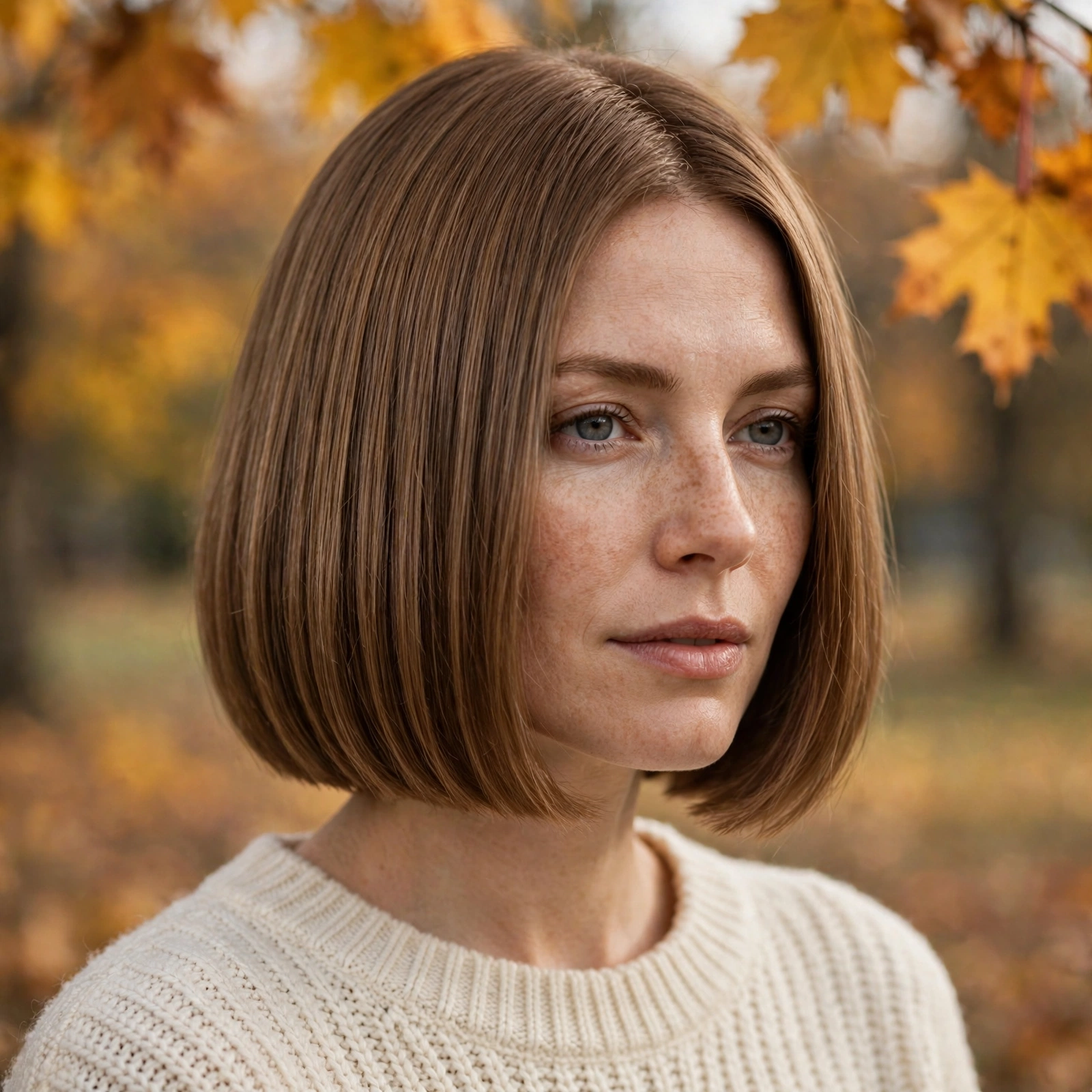
The blunt bob is the undisputed number one of thin hair haircuts 2026: cut to one clean length — chin or just below — with absolutely no layering through the perimeter. It’s trending for fall 2026 as part of the broader return to precision cuts, and the vibe is confident and sharp — think boardrooms, gallery openings, and anyone who wants their hair to look expensive. For thin hair it works because of pure optics: a solid line of ends stops light and reads as density, while wispy layered ends let light pass through and read as sparse. Our editors tested this principle against layered bobs on fine hair and the blunt version looked fuller in every single comparison.
How to get it: Ask your stylist for a one-length bob cut on dry or straightened hair so the line is precise — cutting curly or wavy dry is less critical, but the perimeter must be level. Specify “no layers through the bottom,” and bring a photo, because “bob” means five different things to five stylists. At home, style it sleek with a flat iron for maximum density illusion, or add a single soft bend through the mid-lengths for a more relaxed finish.
Best for: Oval, heart, and square faces; fine strands (works on both fine and low-density thin hair); straight to slightly wavy textures; anyone ready for chin-to-jaw length.
Maintenance: Low daily, disciplined salon schedule. Two to five minutes each morning; trims every 6–8 weeks are non-negotiable, because a grown-out blunt edge reads instantly thinner.
Pro tip: Blow-dry the bob with a flat paddle brush pulling down, not a round brush — a round brush thins the perimeter into a curve, while a paddle brush keeps the edge ruler-straight and maximally dense. And tuck one side behind the ear on day two: the asymmetry adds a little volume while showing off earrings.
%
%
2. Layered Pixie with Texture
Short all over with choppy, textured layers on top that stack up to create natural height — the pixie is the ultimate volume haircut for thin hair, and the textured version is all over the autumn hair trends 2026 mood boards. There’s so little weight that gravity barely gets a vote: every layer lifts off the last. The vibe is bold and liberated — creative workplaces, fashion-forward offices, and anyone done spending twenty minutes on hair. Our editors found it dries in minutes and holds its shape with almost no styling, which is exactly why it earned a top-five spot.
How to get it: Ask for a pixie with tapered (not shaved) sides and real length left on top, textured with point-cutting rather than blunt shears — the texture is what creates the stacking effect. Bring multiple reference photos. At home, warm a pea-sized amount of texturizing paste between your palms and push the top layers up and forward with your fingers. That’s the entire routine.
Best for: Oval and heart-shaped faces especially; fine and sparse thin hair both benefit; straight to wavy textures; strong jawlines and cheekbones look fantastic with this cut.
Maintenance: Low daily, higher salon frequency. Two minutes each morning — but book trims every 4–6 weeks, because a pixie loses its architecture fast as it grows.
Pro tip: Apply a root-lift spray like Redken Guts 10 to damp roots before drying — it was made for exactly this, giving fine roots the grip to stand up rather than lie flat. And when the grow-out starts, flip your sweep to the opposite side; the new part disguises the awkward phase for weeks.
%

%
3. The Bouncy Blowout Lob
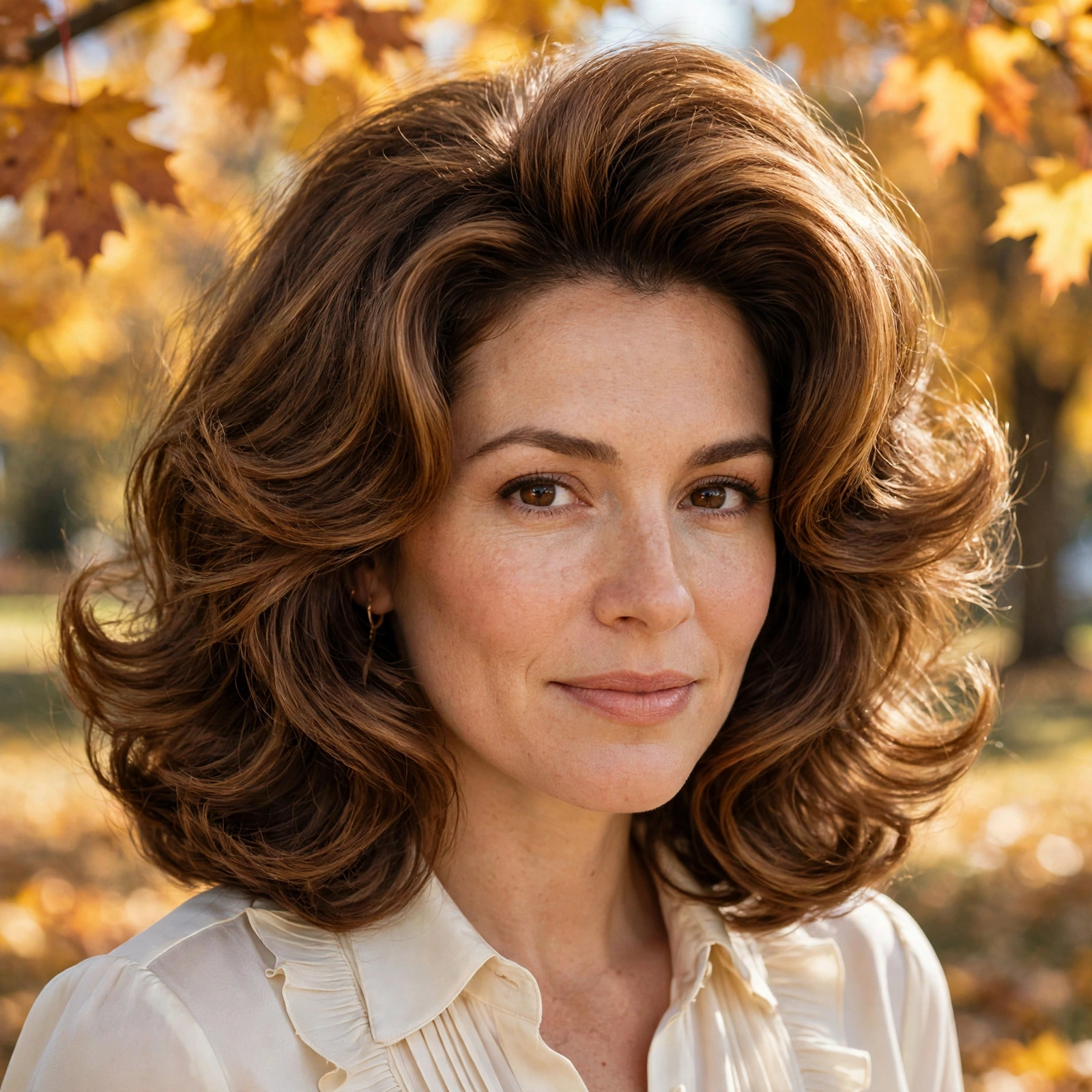
Collarbone-length with long layers starting at the chin, styled with maximum root volume — the bouncy blowout lob is big-hair energy made genuinely fine-hair friendly, and a fixture of volume hairstyles for fine hair roundups for fall 2026. The layers keep it from looking heavy while the blowout manufactures the fullness, and unlike summer blowouts, this one survives the day: drier autumn air means your lift doesn’t deflate by noon. The vibe is polished and confident — presentations, date nights, holiday parties, and anywhere you want your hair to do the talking. It photographs incredibly well in fall light, which our team confirmed the hard way (in the best way).
How to get it: Ask your stylist for long, blended layers with soft ends — no harsh steps — at collarbone length. At home, work volumizing mousse through damp roots, blow-dry the top sections with a round brush lifting straight up for bounce, over-direct every section upward, and lock it all in with a cool shot. Set the front pieces in large Velcro rollers while you finish your makeup for extra sweep.
Best for: Oval and oblong faces; fine strands with decent density respond best; medium textures; hair currently at or below the chin that you’re growing or maintaining at lob length.
Maintenance: Medium. Ten to fifteen minutes for the blowout, but it lasts two to three days — pineapple it overnight and revive the roots with dry shampoo each morning.
Pro tip: Flip your head upside down for the final cool blast. Thirty seconds of inverted cooling delivers more root lift than any product — it’s the backstage trick behind every bouncy blowout photo. And never skip the cool shot entirely; heat shapes the hair, but cold is what sets it.
%
%
4. Curtain Bangs + Face-Framing Layers
Keep your length, but add curtain bangs and face-framing layers starting at the cheekbones — the highest-impact change with the least commitment on this list. The pieces around the face create movement and the impression of density exactly where the eye lands first, while the bangs add volume at the front without requiring layers through the back that would sacrifice your perimeter. It’s trending for fall 2026 because the “expensive but undone” mood is everywhere, and curtain bangs are its poster child. The vibe is soft and romantic — weekends, office days, outdoor fall events. We found it flatters more face shapes than any other single change you can make.
How to get it: Ask for curtain bangs that start around the cheekbones and blend into face-framing layers — emphasize that the back stays one length to protect the perimeter. Bring a photo showing the parting you want. At home, rough-dry the bangs with a round brush flicking outward, or twist them loosely and clip them up for ten minutes while you do makeup — they fall into a perfect curtain with zero heat.
Best for: Round, oval, heart, and square faces (the bangs are customizable to all); fine hair that needs front volume without losing back density; medium to long lengths you want to keep.
Maintenance: Low to medium. Five minutes on styling mornings; bang trims every 4–6 weeks keep the frame sharp, though they grow out gracefully into layers.
Pro tip: Train the part while the bangs are damp — where they dry is where they live. And keep dry shampoo at the roots of the bangs specifically; front pieces go limp first because they absorb face oils, and a quick refresh there revives the whole frame.
%

%
5. The Deep Side-Part Chop
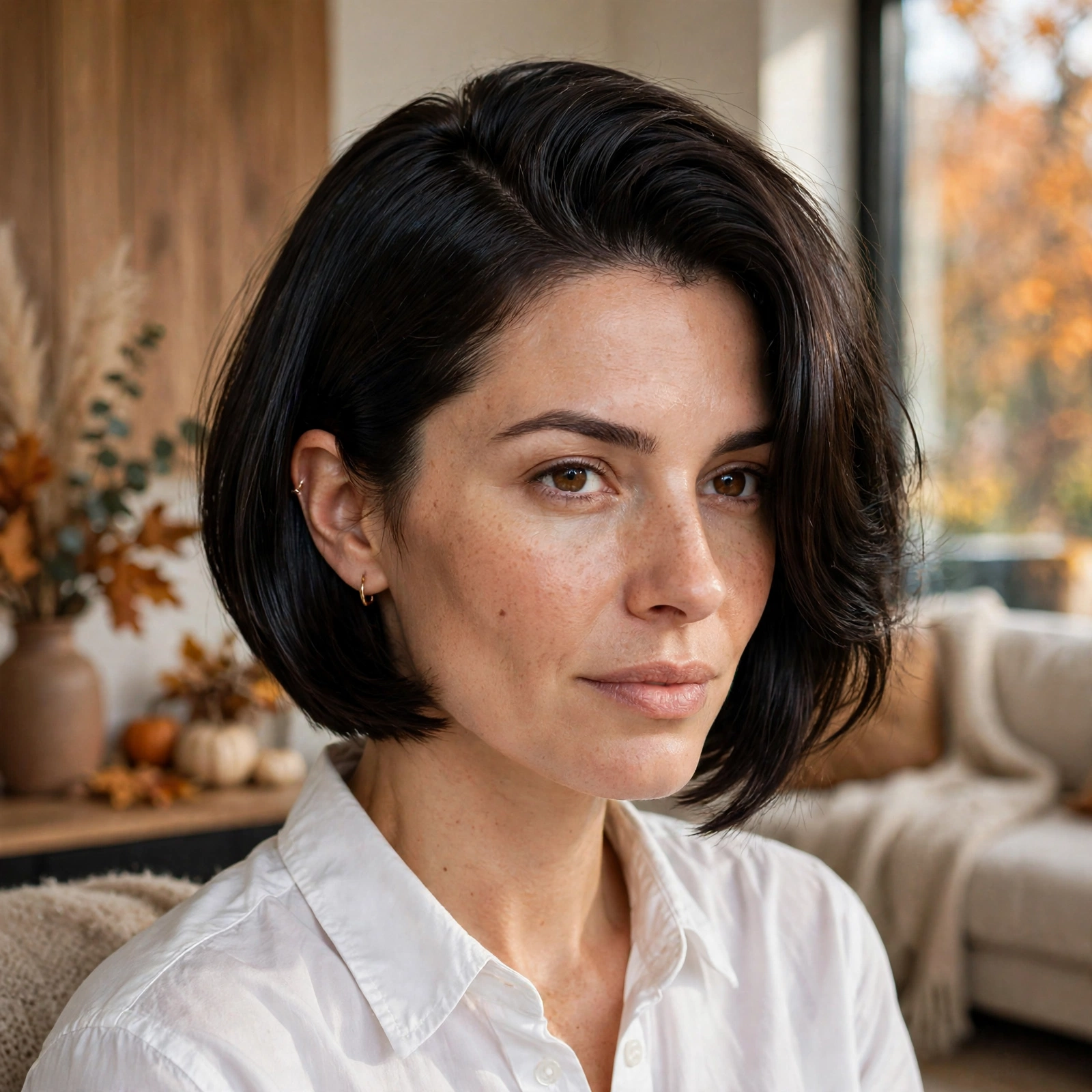
Sometimes volume is just a part change away. A deep side part — two to three inches off center — creates instant asymmetry, and asymmetry reads as volume because it piles more hair on one side. Pair it with a chin-length chop for maximum effect: the heavy side sweeps across with beautiful fullness. It’s the oldest trick in hairdressing because it genuinely works, it’s free, and you can try it in your bathroom mirror in ten seconds. For fall 2026 it fits the season’s polished, intentional styling mood — deep parts are showing up all over runway and red-carpet fall hair ideas. The vibe is classic and assured: job interviews, dinners, anywhere you want quiet confidence.
How to get it: No salon visit strictly required — flip your part while hair is damp and train it with a little mousse at the roots. For the full effect, ask your stylist for a chin-length chop with a slightly heavier side, cut to accommodate the deep part. At home, blow-dry the roots on the heavy side in the opposite direction first, then sweep over — the counter-direction drying builds lift that a simple flip can’t.
Best for: Round and square faces (the asymmetry elongates and softens); fine hair of any density; short to medium lengths where the weight shift is most visible.
Maintenance: Low. Seconds to style; keep the chop trimmed every 6–8 weeks so the shape holds the part.
Pro tip: The deep part only looks intentional if the roots on the heavy side have lift — flat roots plus a deep part just looks like a comb-over. A pea-sized amount of volumizing mousse at the roots on the heavy side before drying is the difference between chic and sad.
%
%
6. Stacked Bob
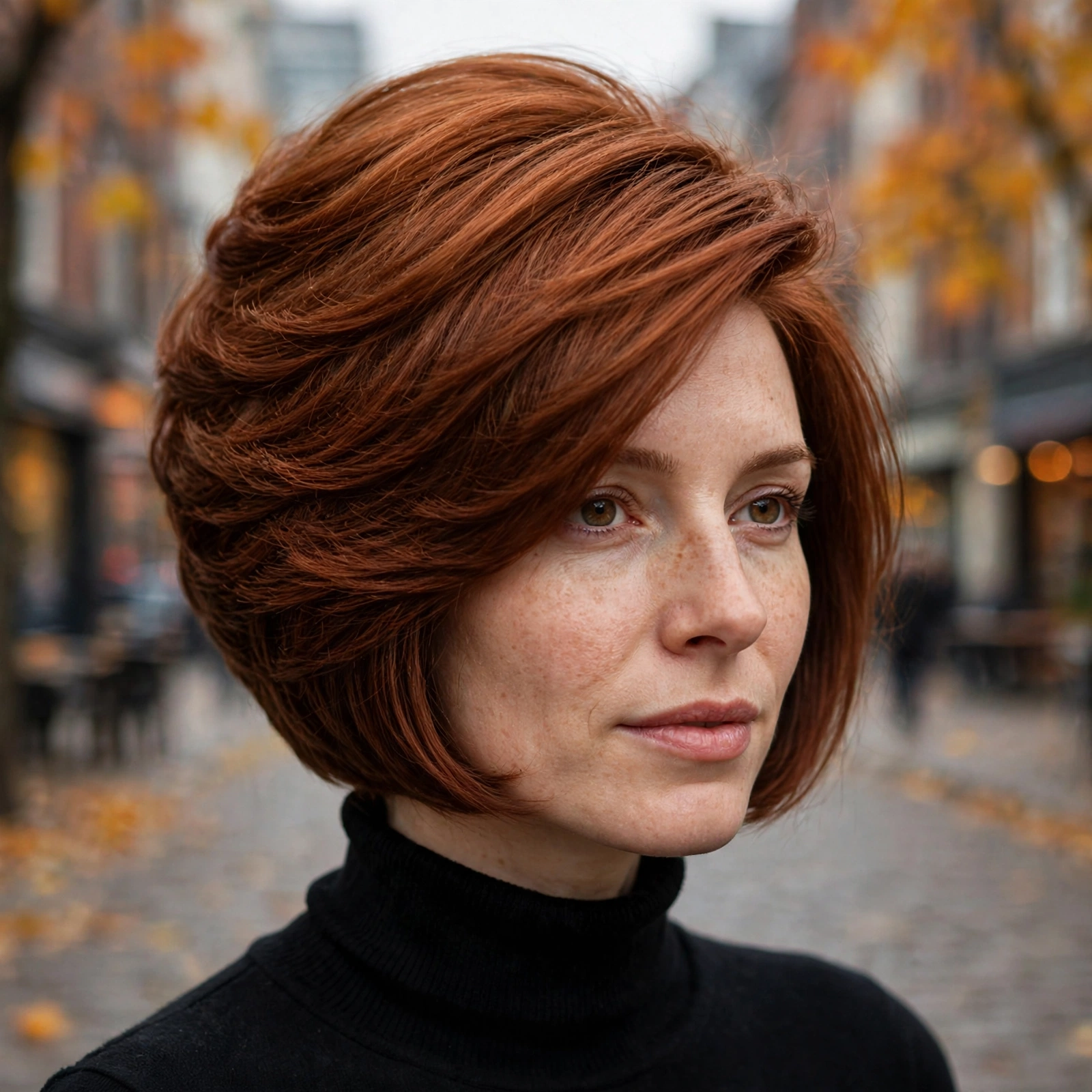
Shorter in the back, gradually longer toward the front, with stacked layers at the nape that build volume from the bottom up — the stacked bob is architecture as haircut. The stacking is the key: each layer sits on top of the last, creating built-in fullness that doesn’t depend on styling at all. It’s a strong entry among thin hair haircuts 2026 because it flatters straight fine hair especially well — the angled silhouette is chic, precise, and draws the eye forward and down. The vibe is polished and intentional: professional settings, evenings out, anyone whose style leans sharp rather than soft. Our editors noted it’s one of the few cuts that looks fuller on day three than day one, as the nape layers settle into each other.
How to get it: Ask your stylist for a stacked bob with graduated layers at the nape and a longer front — be specific that you want visible stacking, not just an A-line. The nape should be cut close and built upward. At home, blow-dry the back with a round brush tucked under to emphasize the stack, and keep the front sleek with a flat iron for contrast.
Best for: Straight fine hair (the stacking shows best on it); oval and heart-shaped faces; anyone who wants built-in volume without daily styling effort.
Maintenance: Low to medium. Five minutes with a round brush on the nape; trims every 6–8 weeks — the stack collapses into a mullet-ish shape if it grows out, so don’t stretch appointments.
Pro tip: Ask your stylist to point-cut the very front ends slightly rather than leaving them blunt — on fine hair, a whisper of texture at the front keeps the longer pieces from looking stringy against the stacked back. And a light texturizing spray like Bumble and bumble Thickening Dryspun Texture Spray through the nape layers amplifies the stack on day two.
%
%
7. Shaggy Pixie-Bob
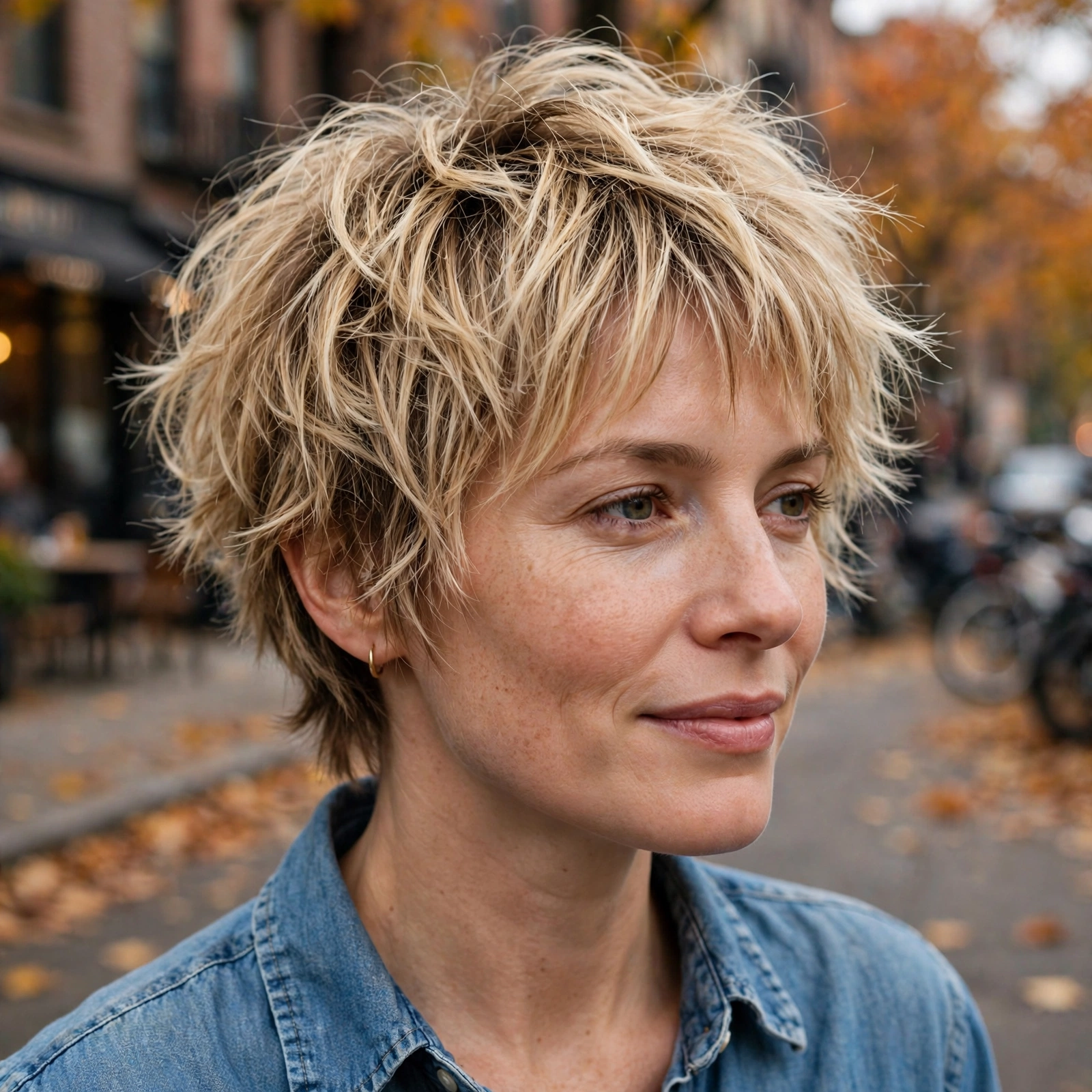
Between a pixie and a bob, with choppy texture throughout — the shaggy pixie-bob is the cool-girl volume play of fall 2026. The varied lengths create piece-y fullness that makes thin hair look abundant: no two strands sit at the same level, so light bounces in every direction instead of passing through flat ends. It’s trending because the “interesting over polished” aesthetic is peaking, and the grow-out is forgiving — it just becomes a shaggier bob. The vibe is artsy and confident: creative workplaces, concerts, gallery weekends. We found it’s one of the best cuts for fine hair that also has natural wave, because the texture does half the styling for you.
How to get it: Ask for a pixie-bob (sometimes called a “bixie”) with choppy, disconnected layers and texture through the ends — bring reference photos, because this cut varies wildly between stylists. At home, work dry shampoo or texturizing powder into the roots for grip, then piece out the ends with a tiny amount of pomade or wax.
Best for: Fine hair with some natural wave or bend; oval and heart-shaped faces; anyone who wants edge without the full commitment of a pixie.
Maintenance: Low. Wash-and-go on good days, a quick texture refresh on others; trims every 8–10 weeks — the shaggy grow-out is genuinely graceful.
Pro tip: Never brush this cut dry — finger-comb only. A brush merges all that deliberate piece-y texture into one pouf, which on thin hair reads as frizz rather than fullness. And apply texturizing powder with your head flipped upside down so it lands at the roots, not on the canopy.
%
%
8. Voluminous Curls with a Diffuser
Fine hair holds curl exceptionally well — this style simply exploits that superpower. Create curls with a 1-inch iron or overnight braids, then diffuse upside down for maximum root lift. The combination of curl texture plus inverted drying creates volume that fine straight hair could never achieve, because curls occupy three-dimensional space while straight strands lie flat. In fall’s dry air these curls last for days, making it one of the most practical volume hairstyles for fine hair on the list. The vibe is romantic and abundant: fall weddings as a guest, holiday photos, date nights, anywhere you want your hair to look lavish.
How to get it: Start with light-hold mousse on damp hair for grip — curls need something to hold onto. Curl with a 1-inch iron (or braid damp hair overnight for heatless curls), let every curl cool completely, then diffuse upside down on low heat, scrunching upward. Break up the curls with your fingers, never a brush.
Best for: Fine hair with natural bend or wave (holds longest); low-density hair — curls fake density better than any other texture; medium to long lengths.
Maintenance: Medium. Fifteen to twenty minutes for the curl routine, but the style holds for days — pineapple it overnight and revive with a light mist.
Pro tip: Diffuse until the hair is 100% dry — 90% dry curls fall flat within the hour, and that last 10% is where the staying power lives. And clip the crown sections up with small clips while they cool; cooled-set roots hold roughly twice as long.
%

%
9. The French Girl Bob with Wispy Bangs
Chin-length with soft, wispy bangs and a slightly undone finish — the French approach to thin hair is perfect because it doesn’t fight fineness, it celebrates it. This cut is meant to look effortless, which means fine hair’s natural behavior becomes a feature rather than a flaw. The wispy bangs add fullness across the forehead without weight, and the undone texture keeps it modern. It’s a quiet staple of autumn hair trends 2026, trending as part of the broader “unbothered chic” movement. The vibe is insouciant and cool: café mornings, art galleries, anyone whose style philosophy is “I woke up like this (but French).” Our editors found it air-dries better than almost any other bob — a genuine wash-and-go.
How to get it: Ask for a chin-length bob with soft, textured ends (point-cut, not blunt) and wispy bangs cut to skim the brows — specify “wispy, not blunt bangs,” because the lightness is the point. At home, air-dry with a small amount of styling cream scrunched through, tuck one side behind the ear, and don’t overthink it — fussing ruins the effect.
Best for: Fine strands that air-dry well; oval and long faces (the bangs shorten visually); anyone who wants chic with near-zero styling effort.
Maintenance: Low. Air-dry and go; bang trims every 5–6 weeks keep the wispiness from becoming a curtain.
Pro tip: The undone finish depends on the ends not looking blunt — ask your stylist to “dust” the ends with point-cutting at every trim rather than re-blunting them. And a tiny amount of texturizing spray scrunched into dry ends revives the piece-y finish on day two without adding weight.
%

%
10. Half-Up Volume Bump
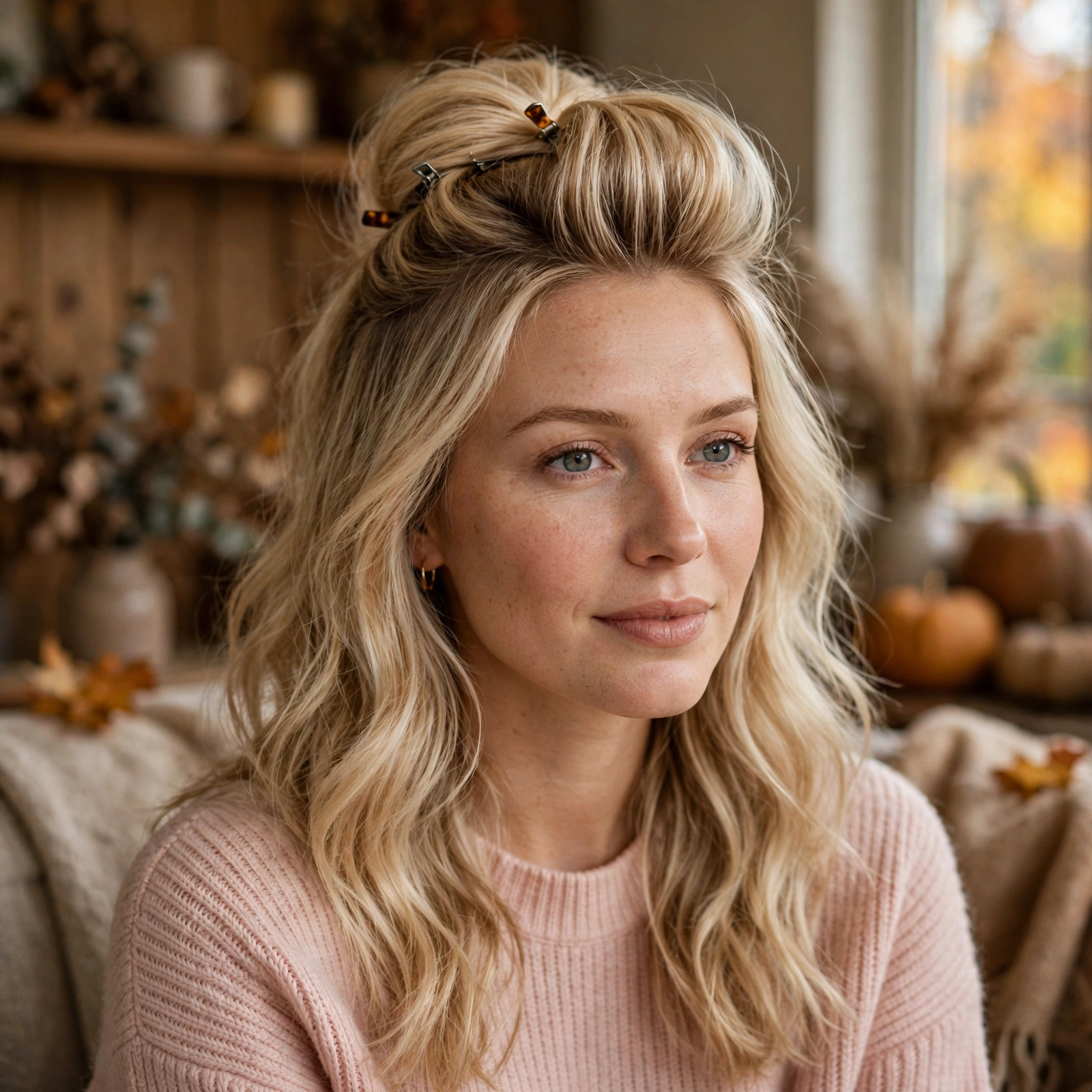
Take the top section of hair, tease gently at the crown (just 2–3 strokes with a fine-tooth comb), smooth the top layer over, and pin at the back — the bump creates visible height while the rest of your hair falls naturally. It’s a five-minute style that makes any length look fuller, and it works because crown height is the fastest visual cue for “lots of hair.” A staple of fall hair ideas for evenings and events, it photographs beautifully — that little lift at the crown catches light in photos. The vibe is polished retro: dinner parties, holiday gatherings, office presentations. We found it especially effective on fine hair worn long, where it counteracts the weighed-down look.
How to get it: No salon visit needed. Section off the top crown area, backcomb gently at the roots (2–3 strokes — restraint is everything), smooth the top layer over with a soft brush, and secure with bobby pins at the back in an X for hold. Mist with flexible hairspray before smoothing for extra grip.
Best for: Medium to long fine hair; round and square faces (the crown height elongates and balances); anyone who wants event volume without a full updo.
Maintenance: Low. About five minutes, no heat required; no salon upkeep tied to the style itself.
Pro tip: Place a small volumizing insert (a “bumpit” or even a bit of teased padding) under the crown section on very fine hair — it gives the bump structure that teasing alone can’t sustain all evening. And always smooth the top layer with a boar-bristle brush; a regular brush drags the teasing flat.
%
%
11. Textured Lob with Beach Waves
Collarbone length with subtle layers, styled into loose, tousled waves — the wave texture is what creates the volume here. Straight fine hair lies flat, but waved fine hair has dimension in every direction, and that dimension reads as fullness. It’s a perennial favorite among volume hairstyles for fine hair because it’s the rare style that looks fuller the messier it gets. For fall 2026 it fits the lived-in texture trend perfectly — polished enough for the office, relaxed enough for weekends. The vibe is effortless cool: coffee dates, casual dinners, everyday pretty. Our editors confirmed the messier-finish principle holds: the less perfect the waves, the thicker the hair looks.
How to get it: Ask your stylist for a collarbone lob with subtle, long layers — emphasize keeping the perimeter fairly solid. At home, use a 1.25-inch iron on alternating sections (alternate directions for natural-looking waves), leave the last inch of ends straight, then break up the waves with your fingers and a little texturizing spray.
Best for: Fine to medium hair; oval, round, and heart-shaped faces; anyone who wants a versatile cut that styles multiple ways.
Maintenance: Low to medium. Ten minutes for the wave routine; air-dries acceptably on lazy days. Trims every 8–10 weeks.
Pro tip: The alternating-direction curl is non-negotiable — curling every section the same way creates uniform ringlets that separate and reveal scalp on thin hair, while alternating directions makes waves nest together into a fuller mass. And use a texturizing spray like Oribe Dry Texturizing Spray rather than hairspray; it builds grit without the crunch that flattens fine waves.
%

%
12. The Braided Crown Boost
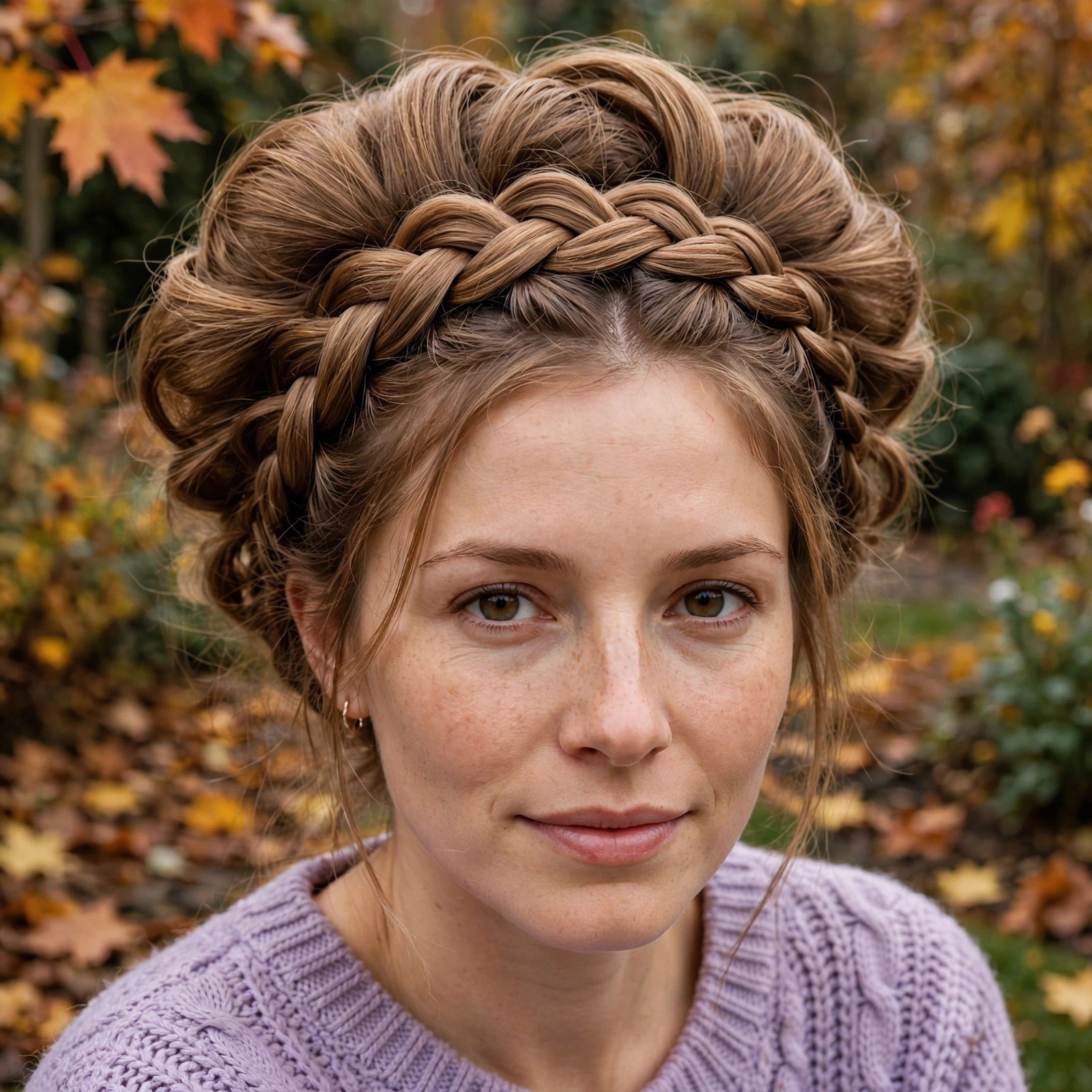
Two small Dutch braids along the hairline, pancaked wide, pinned back — with the rest of the hair worn in soft waves. The pancaked braids add visible width and texture at the front, creating the impression of much more hair exactly where photos and first impressions focus. It’s a beautiful detail that doubles as a volumizing trick, and a lovely finale to our autumn hair trends 2026 picks for thin hair. The vibe is romantic and intricate: fall weddings, anniversary dinners, holiday events — anywhere you want your hair to look abundant in photos. We found it works even on quite sparse hairlines, because the pancaking technique manufactures width from very little hair.
How to get it: No salon visit required. Part hair down the middle, Dutch-braid a two-inch section along each side of the hairline back toward the crown, then gently tug the outer edges of each braid stitch to pancake them wide. Pin the braids where they meet at the back, and wear the remaining hair in soft waves (a 1.25-inch iron, brushed out).
Best for: Fine and sparse hair — the pancaking flatters low density especially; medium to long lengths; all face shapes.
Maintenance: Low to medium. Ten minutes once you’ve practiced the pancaking technique twice; no salon upkeep.
Pro tip: Pancake before you pin, not after — tugging a pinned braid loosens the whole structure. And start the braids with a little texturizing powder at the roots; Dutch braids on slippery fine hair unravel by lunch without grip, and powder gives the strands something to hold.
%
%
Fall Hairstyles for Thin Hair: FAQs
How do I make volume in thin hair actually last all day?
Lasting volume is built in layers — literally. Start with volumizing mousse on damp roots only, blow-dry upside down or over-direct sections upward, and finish every heated style with a cool shot to set the lift. Then protect what you built: a light mist of flexible-hold hairspray at the roots (never the lengths), dry shampoo at the crown on day two even if your hair isn’t oily, and a silk pillowcase overnight so morning hair isn’t pressed flat. The single biggest volume killer our editors see is touching and re-smoothing hair throughout the day — every pass of your hands presses the roots flatter. Set it, then leave it alone.
Which products should I avoid if my hair is thin?
The flatteners: heavy silicone serums and oils applied anywhere near the roots, rich “repair” conditioners used on the scalp (conditioner belongs mid-lengths to ends only), creamy leave-ins that coat fine strands, and strong-hold gels that glue hair to the head. Also watch out for over-conditioning in general — fine hair needs less conditioner than you think, and skipping it at the roots entirely is standard advice from stylists who work with thin hair daily. What to use instead: lightweight volumizing mousses, root-lift sprays, texturizing powders, and dry shampoo as a styling product rather than just an oil-absorber. And if your thinning goes beyond naturally fine strands, Healthline’s guide to hair loss covers common causes and treatment options worth discussing with a dermatologist.
Can hair color make thin hair look thicker?
Yes — dimension is one of the most underrated density illusions. A single flat color makes thin hair look one-dimensional and sparse, while multi-tonal color creates depth that reads as fullness. The lowest-commitment move is a demi-permanent gloss in a warm tone (caramel, honey, copper, chestnut): it adds shine and dimension, fades gracefully over 6–8 weeks, and causes zero damage. For blondes, lowlights woven through the mid-lengths fake density beautifully; for brunettes, face-framing highlights in a warm tone brighten without a full appointment. Balayage-style dimension also grows out softly, which means fewer salon visits. One caution: going dramatically darker all over can backfire — dark color against a visible scalp emphasizes sparseness, so keep dimension in the mix.
Are extensions or toppers worth it for thin hair?
Honest answer: it depends on your goal and your hair’s health. Clip-in extensions add instant length and fullness for events and are completely non-committal — they’re the safest entry point, and quality human-hair clip-ins blend well with fine hair if you match the color carefully. But for daily thinness, a topper (a small piece that clips at the crown/part) often beats full extensions: it targets exactly where thin hair shows most — the part line and crown — without the weight of full-head extensions dragging fine hair down. Avoid heavy bonded or tape-in extensions on very fine hair; the weight causes breakage at the attachment points, which makes the underlying thinness worse over time. And whatever you choose, have it cut and blended by a stylist — unblended extensions are the fastest way to advertise that you’re wearing them. Before investing, it’s worth ruling out medical causes — the American Academy of Dermatology lists the most common causes of hair loss, from hormones to thyroid issues.
What are the best haircuts for thin hair, honestly?
The cuts that consistently deliver: the blunt bob (solid perimeter = instant density), the textured pixie (zero weight = maximum lift), the stacked bob (built-in architectural fullness), and the lob with long layers (versatility plus movement). What they share is a protected perimeter — none of them thin out the bottom edge. The cuts to be cautious with: one-length hair past the shoulders with no layers (gravity flattens it), over-layered cuts that wispy out the ends, and razor cuts on very fine hair (razoring can make ends look even thinner). The universal rule: tell your stylist your actual goal — “I want my hair to look thicker” — and judge every cut by whether it protects the perimeter while adding lift at the crown. Prefer to go shorter? Our short hairstyles for women with thin hair focuses on bobs and pixies that maximize fullness.
The Bottom Line
The best fall hairstyles for thin hair aren’t about fighting your hair type — they’re about choosing shapes that manufacture fullness: blunt edges that read as density, strategic layers that lift instead of thin, and styling habits that protect volume instead of flattening it. Pick one cut and two or three styling ideas from this list, give them a genuine two-week trial, and let this be the autumn your hair finally feels abundant. Happy fall, and happy hair days ahead. And if you’re over 60, our short hairstyles for fine hair over 60 rounds up flattering cuts for mature fine hair.